Hatchery Protocol

Artemia Cysts Hatching & Incubation Manual

A step-by-step scientific guide to achieving ≥ 85% hatch-out rates, maximum nauplii biomass, and clean separation for marine larvae.

25 – 35 ppt (g/L)28 – 30 °C (82–86 °F)Strong Bottom Aeration2,000 Lux Continuous Light

Optimal Hatching Parameters

Achieving consistent high hatching efficiency requires strict control of environmental factors in conical hatching tanks.

Salinity

25 – 35 ppt (g/L)

Use natural seawater or synthetic sea salt. Low salinity prolongs hatching time.

Water Temperature

28 – 30 °C (82–86 °F)

Maintain constant temperature. Temperatures below 25 °C drastically decrease hatch-out velocity.

Continuous Aeration

Strong Bottom Aeration

Keep cysts in continuous suspension. Avoid dead zones where cysts settle.

Light Intensity

2,000 Lux Continuous Light

Light triggers the embryonic development mechanism during the first 2 hours of hydration.

From the Tin to the Microscope

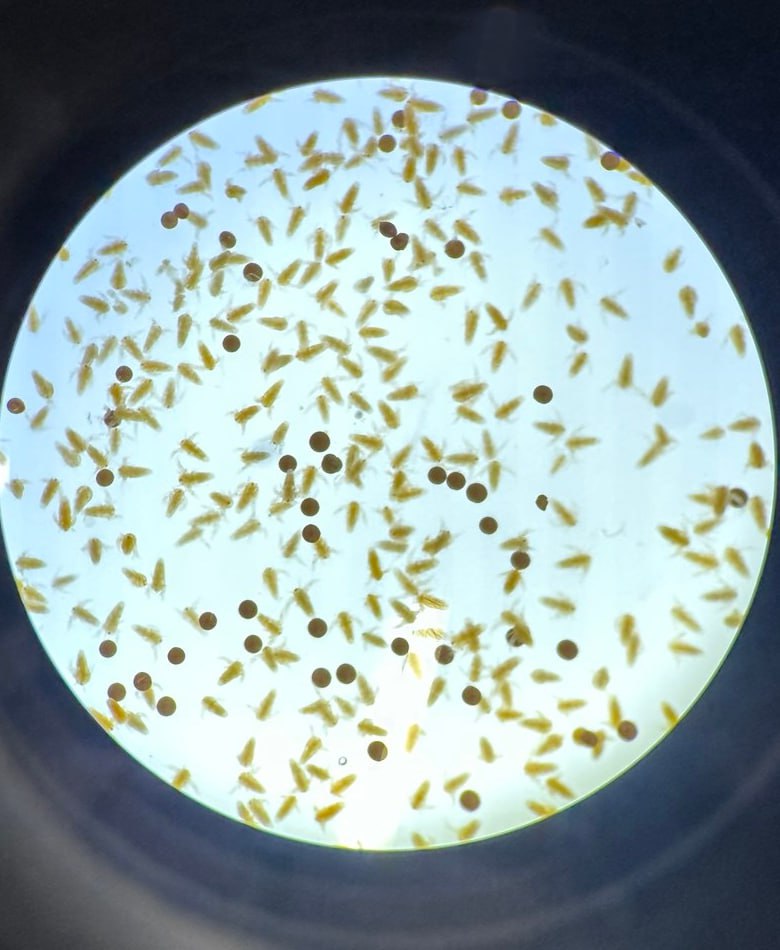
The same Revive Artemia cysts our customers hatch every day — as they ship, as they measure out, and as the nauplii look 24 hours later under the lab microscope.

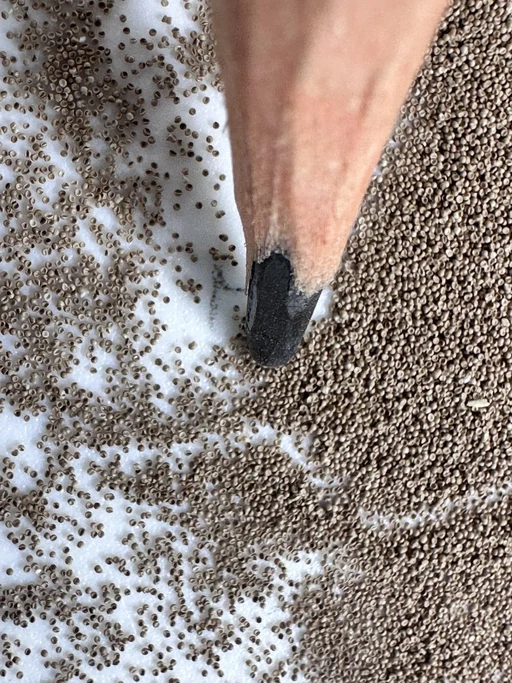
Opened tin of Revive Artemia cysts
Dry cysts, straight from the tin
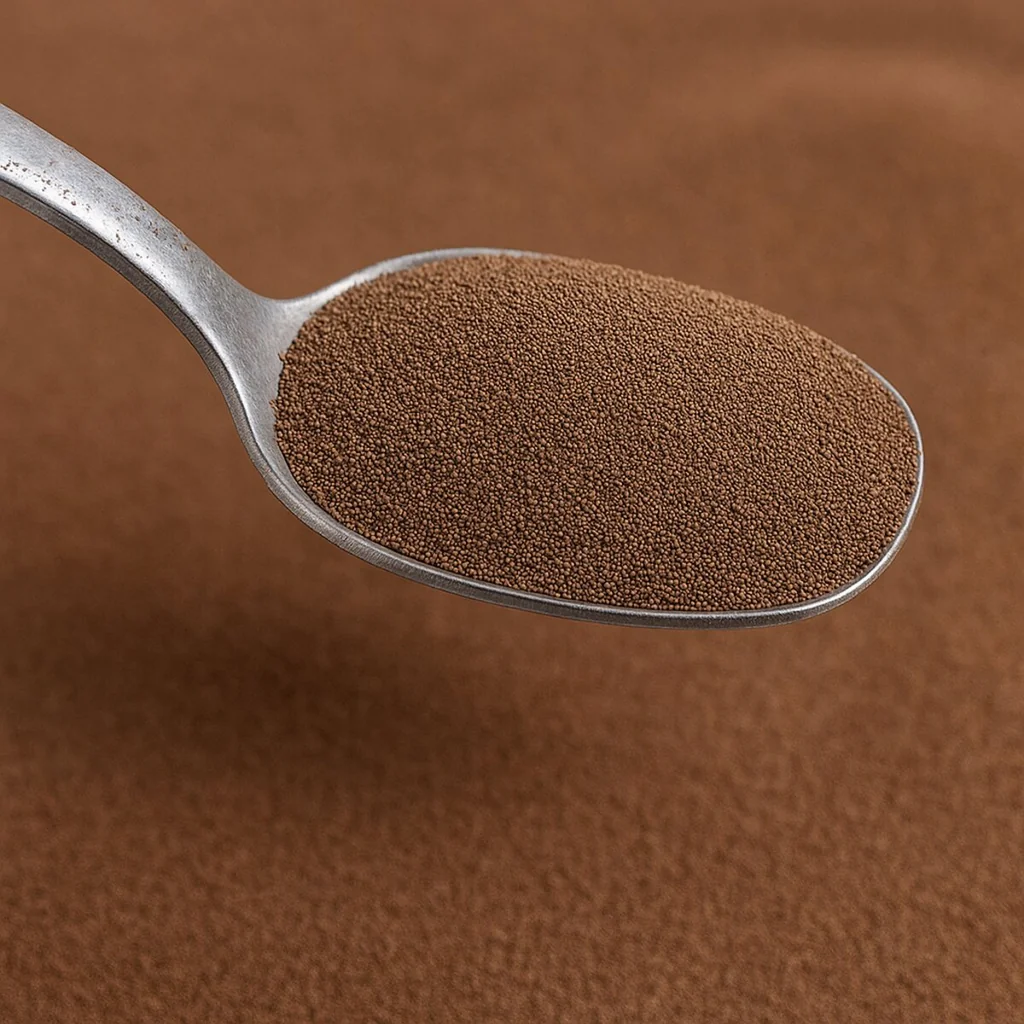
Dry Artemia cysts measured on a spoon
200–300 µm capsules, dosed by weight
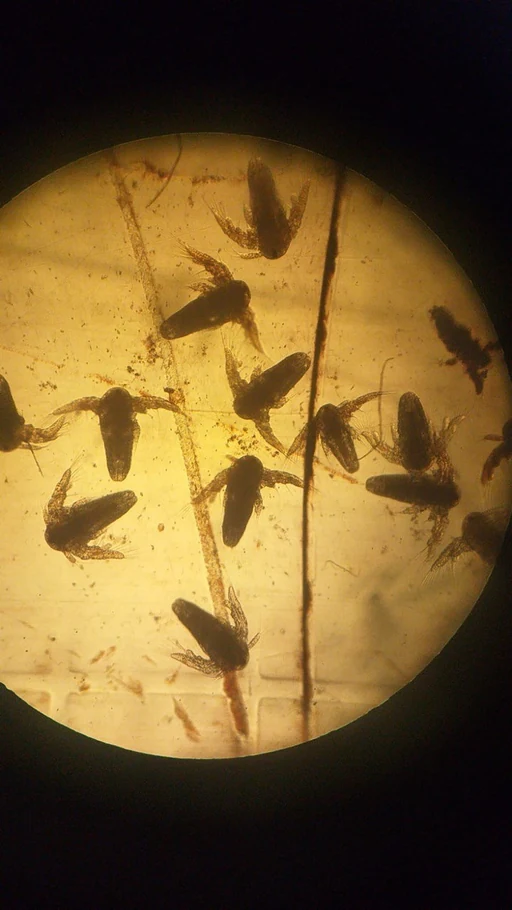
Hatched Artemia nauplii under the microscope
Nauplii under the microscope after hatch-out
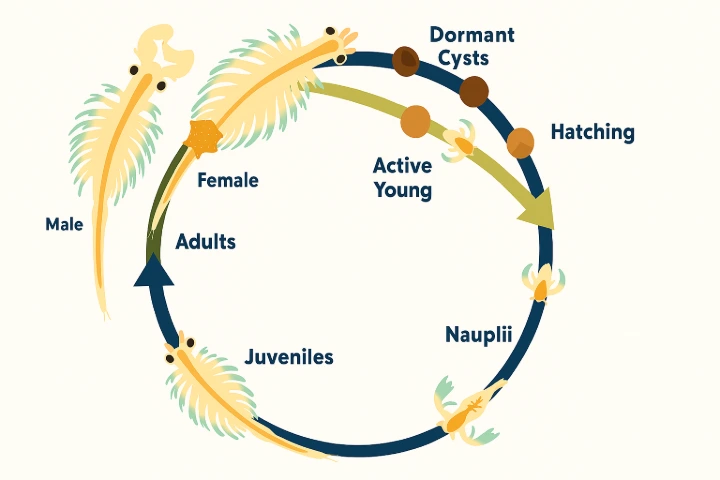
Artemia life cycle diagram: dormant cyst, hatching nauplii, juvenile and adult stages

One Life Cycle, Two Survival Strategies

Under stress — high salinity, low oxygen — Artemia females produce dormant cysts that survive for years in a dry state. Rehydrated under the right light, temperature and salinity, each cyst hatches into a nauplius within 24–48 hours, molts through juvenile stages and reaches the adult form, where the cycle begins again.

The hatching parameters above exist to serve exactly this biology: they recreate the conditions that tell a dormant cyst it is safe to wake up.

Read the full dry Artemia cyst guide
Conical Reactor Vector

Optimal Hatching Conical Tank Dynamics

2,000 LUX LIGHT
25 – 35 ppt Salinity

Maintains osmotic balance for rapid embryo hydration.

28 – 30 °C Constant Temperature

Ensures synchronized 20–24 hr hatch-out velocity.

Bottom Aeration Column

Prevents cyst sedimentation and dead zones in tank corners.

4-Step Hatchery Operating Procedure

01

Disinfection & Pre-hydration

Pre-soak dry Artemia cysts in clean freshwater for 30 minutes at 20–25 °C before transferring to salt water.

02

Conical Tank Incubation

Fill conical hatching vessel with 30 ppt saltwater. Add cysts at a maximum density of 2 grams per liter.

03

Harvesting & Separation

Turn off aeration after 20–24 hours. Nauplii swim toward light at the bottom while empty shells float to top.

04

Cold-Storage Enrichment

Rinse harvested nauplii thoroughly. Store in chilled seawater (4–6 °C) or enrich with Emerald Chlorella.

پرسش و پاسخ

پرسش‌های متداول

The questions buyers ask us most about this page. The full set, filterable by subject, lives on our FAQ hub.

Hydrate the cysts in clean freshwater for about 30 minutes at 20–25 °C, then incubate in a conical vessel at 25–35 ppt salinity and 28–30 °C, with vigorous aeration and roughly 2,000 lux of continuous light, at a maximum density of 2 g of cysts per litre. Nauplii are ready to harvest after 20–24 hours. Below 25 °C the hatch slows markedly.Full incubation protocol

Revive Artemia cysts are supplied against a guaranteed ≥ 85 % hatch rate, verified by batch testing. That figure assumes the incubation conditions the product is specified for — 25–35 ppt salinity, 28–30 °C, strong aeration and continuous light. Hatching outside that band will underperform the guarantee for reasons that have nothing to do with the cysts.Incubation guide

Switch the aeration off after 20–24 hours and wait a few minutes: the nauplii swim down toward a light held at the base of the cone while empty shells and unhatched cysts float. Draw the nauplii off from the bottom, rinse them thoroughly, then feed them out or hold them in chilled seawater at 4–6 °C. Shell fragments carried into a larval tank are a biosecurity and clogging problem, which is why the rinse matters.

Cool, dry and sealed. Vacuum-packed cans hold their hatch quality without refrigeration, which is exactly why the format is used for long-haul supply. Once a can is opened, keep it airtight and dry — moisture and repeated air exposure, not time on the shelf, are what degrade hatchability.

Artemia cysts ship in vacuum-sealed cans — 500 g and 1 kg for the retail and small-hatchery formats — packed into cartons. Vacuum sealing is what gives the cysts their long shelf life without cold-chain dependency, so the packaging is part of the product specification, not just protection in transit.

Standard shell-on cysts if you want live swimming nauplii and have the hatching setup — aeration, light and salinity control for a full day. Decapsulated cysts if you want to feed directly: they are shell-free and analyse at 61.0 % protein, 24.5 % lipid and 502 kcal/100 g against 45–52 % protein and 10–14 % lipid for standard cysts, because no energy has been spent on hatching.Compare both formats