
Feed Innovation & Microalgae
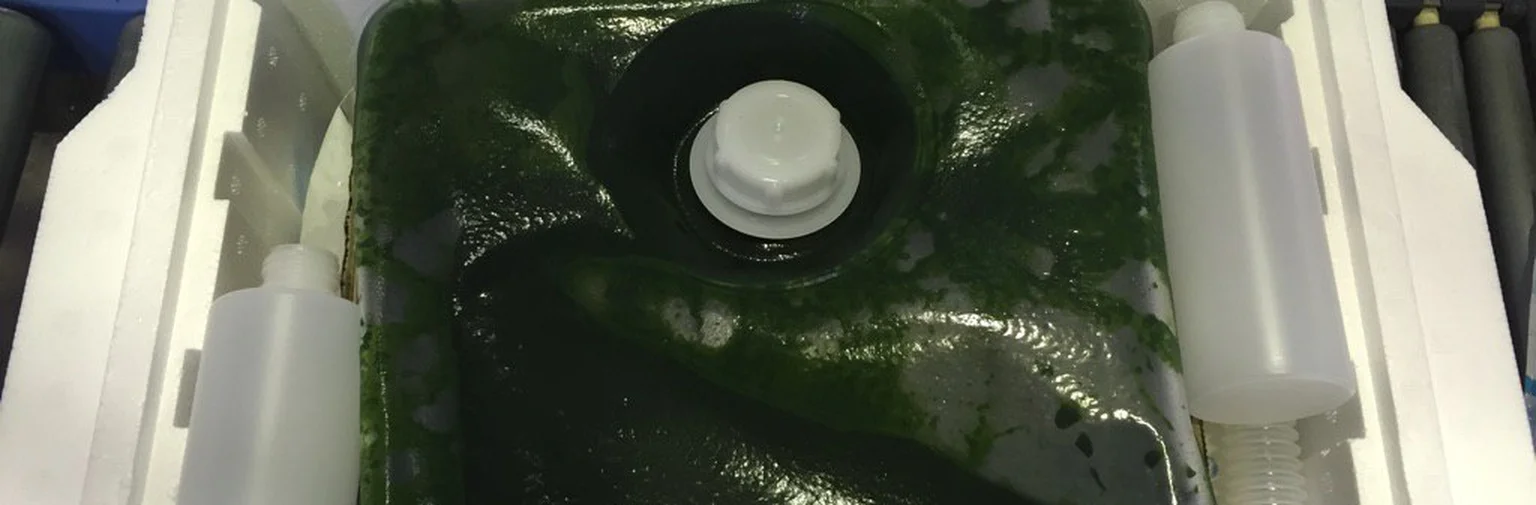
Super Fresh Chlorella SV12: Japan to Rotifer Tanks
What is actually inside a box of SV12, how it is grown at the Chikugo plant in Fukuoka, and the day-by-day feeding plan that takes a rotifer culture from 200 to 1,200 individuals per millilitre.
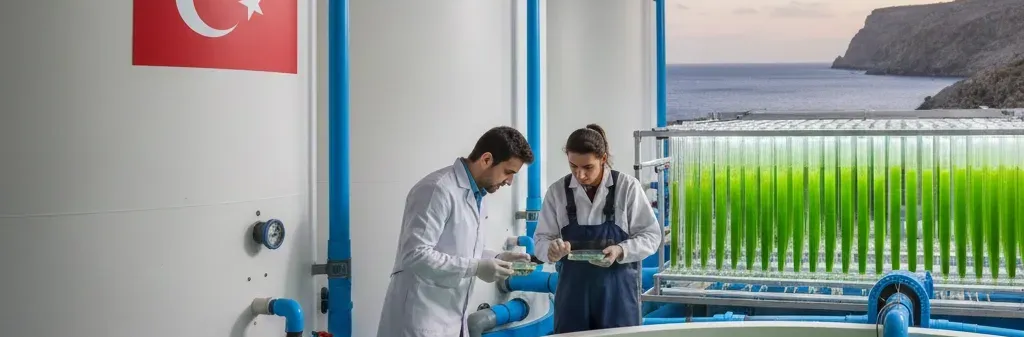
Biological Reality of Artemia Performance in Türkiye
A Proven Legacy: Revive Artemia in Türkiye (Turkey)
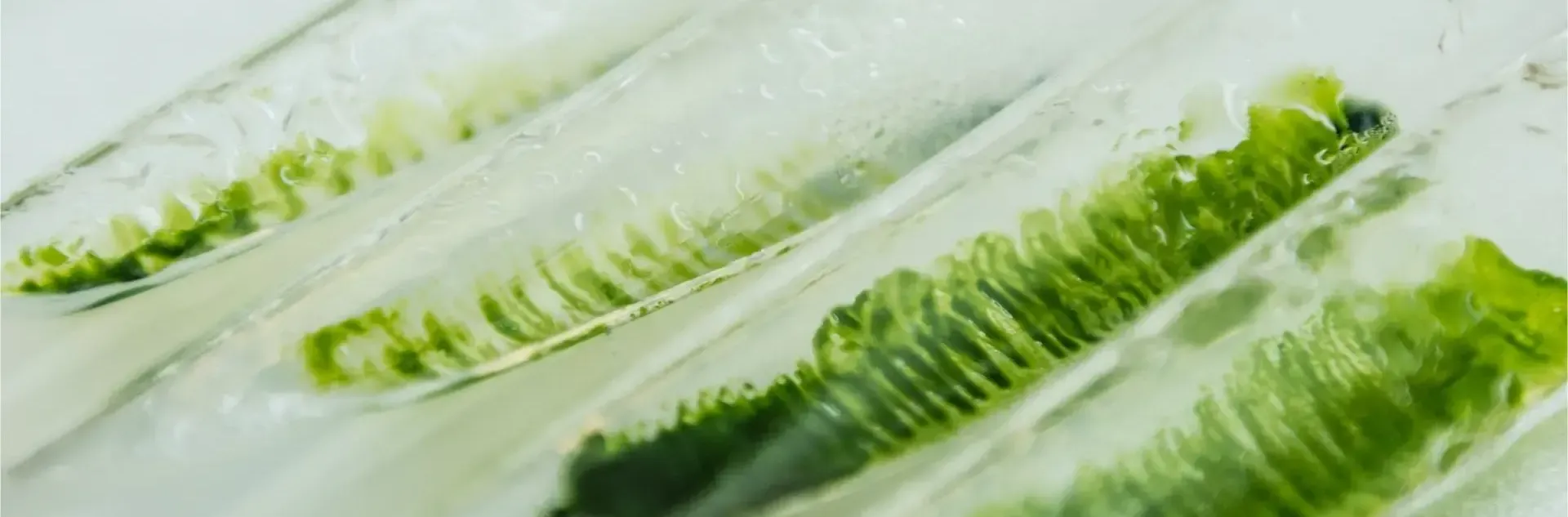
Fresh Chlorella SV-12: Boosting Rotifer Production
Every hatchery manager knows that rotifers are the backbone of larval rearing. Their density, nutritional value, and stability can significantly impact a hatchery cycle. Yet, ac...
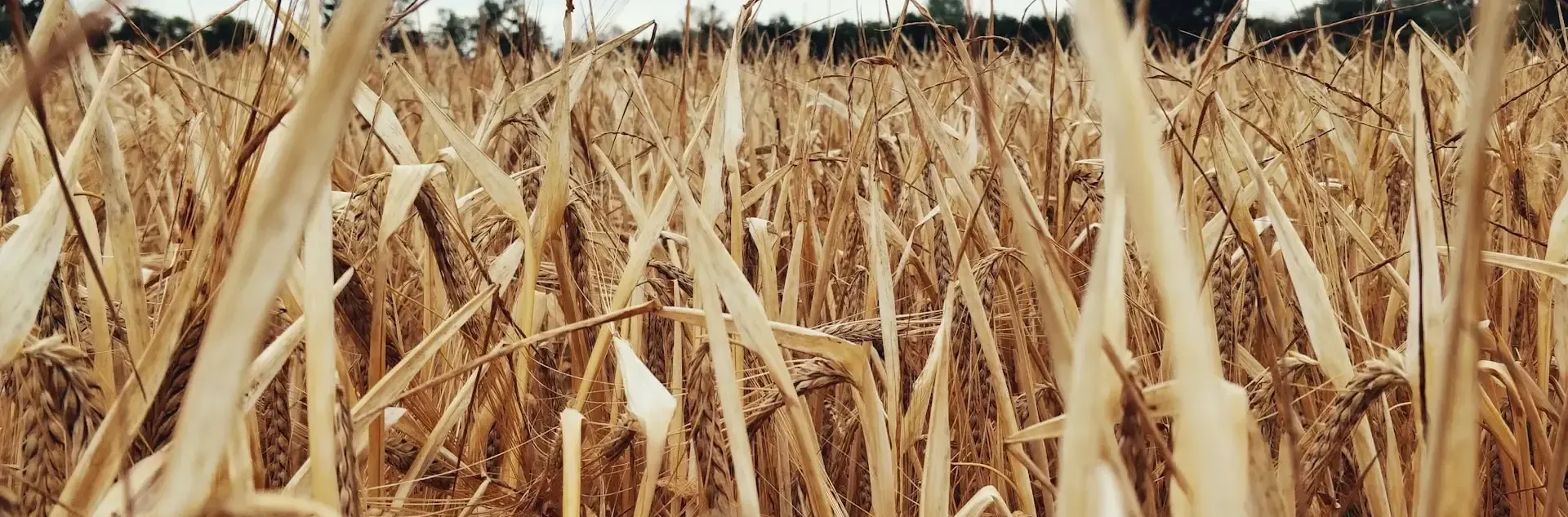
The Role of Wheat Gluten in Aquaculture
Aquaculture today is more than just farming fish — it is about feeding a growing world while balancing sustainability, efficiency, and profitability. For decades, fishmeal was t...
Rotifers & Artemia: Cornerstones of Aquaculture Diet
Managing rotifer culture kinetics, Instar-I vs. Instar-II Artemia bioenergetics, and DHA/EPA/ARA bio-encapsulation for marine finfish larviculture.
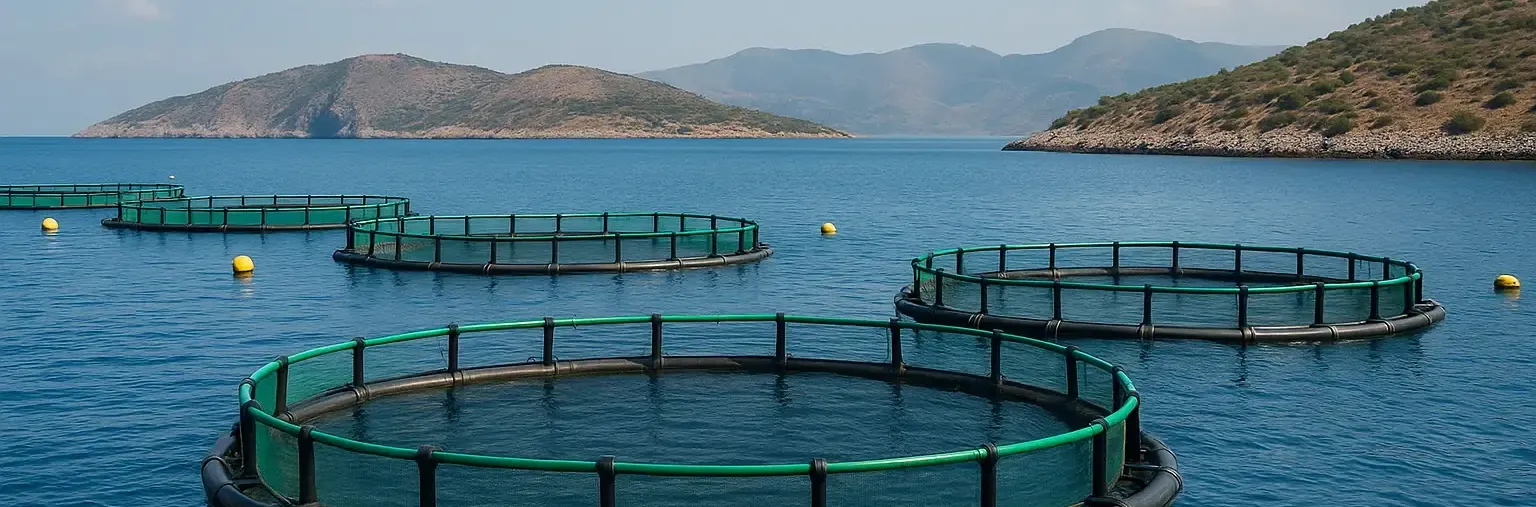
Live Feeds in Hatcheries & Aquariums: Expert FAQ
1. Why Rotifers & Artemia Matter in Hatcheries
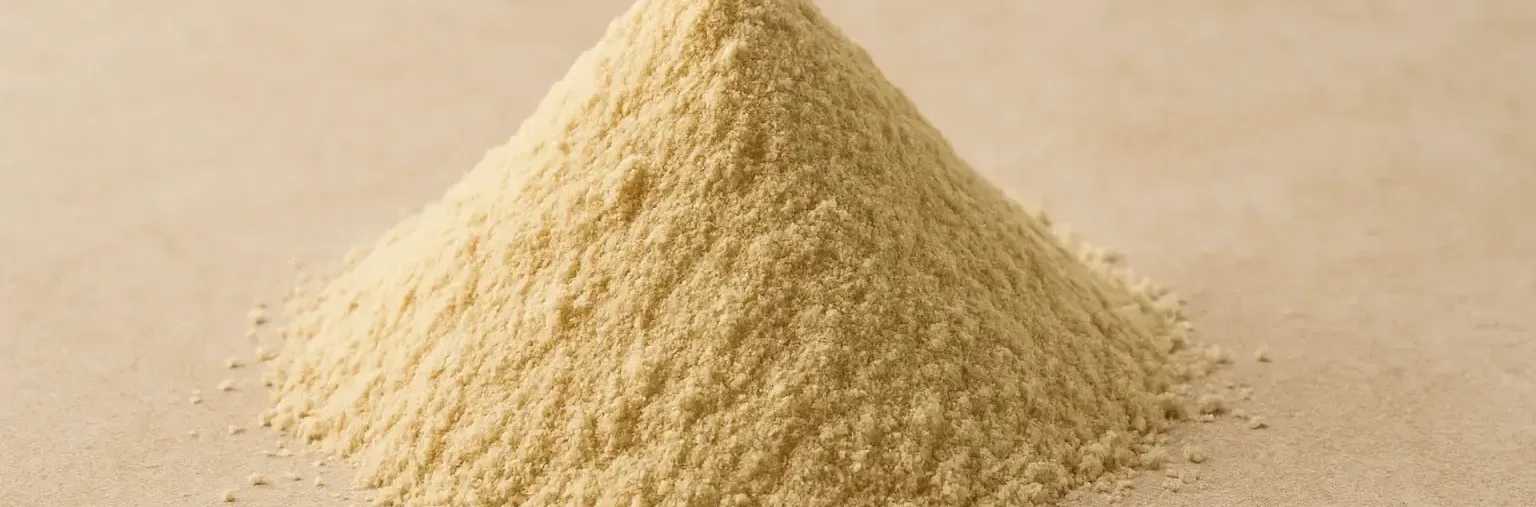
Potato Protein Meal in Seabass & Seabream Aquafeeds
Potato protein concentrate digests at 88.8% in vitro and can replace up to 20% of fish meal in seabass and seabream feeds. Trial evidence and the limits.
Moist Pellets for Fish: Palatability & Production
Formulation chemistry of moist pellets (20-35% moisture): cold-binding with vital wheat gluten, preserving heat-labile attractants, and on-site extrusion SOP.

Chemical vs Biochemical Elements in Aquaculture
1. Chemical vs. Biochemical Elements
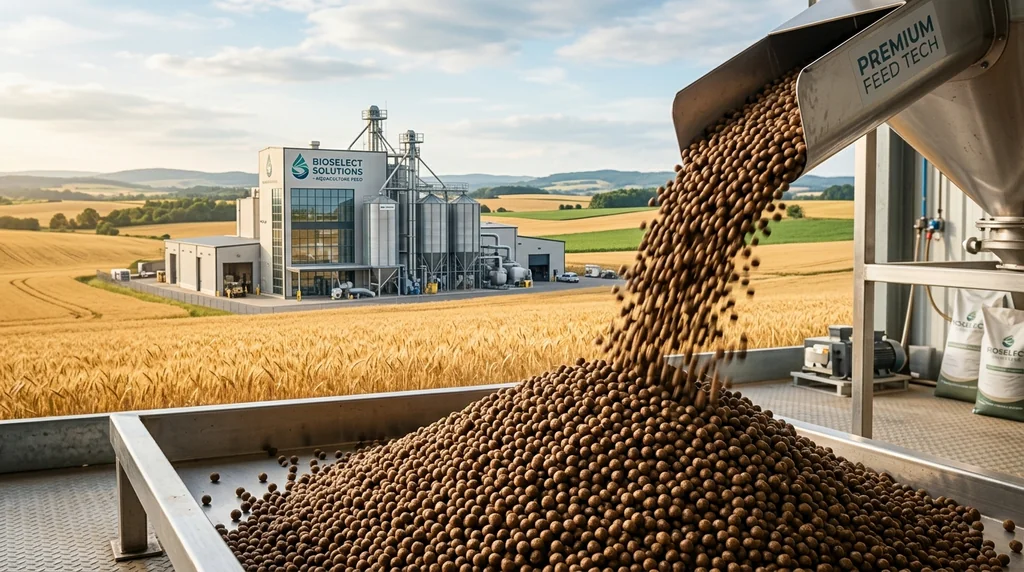
Vital Wheat Gluten in Aquafeed: Binding & Formulation
Evaluating gluten functionality, extrusion conditions, pellet stability and nutritional balance without universal performance claims.