
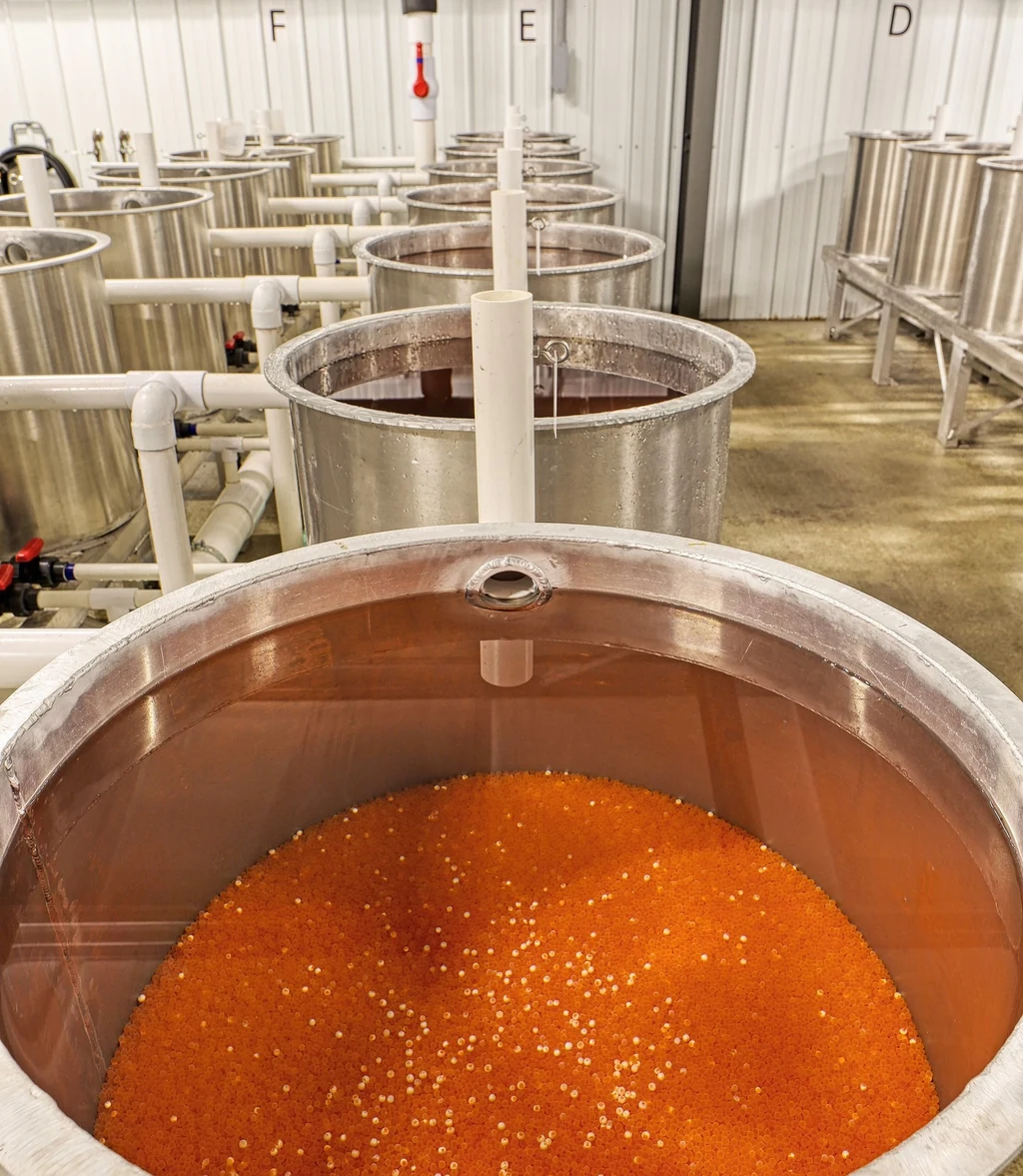
Certified Salmonid Ova Sourcing

Certified Salmon & Trout Ova Sourcing Hub

Delivering certified Atlantic Salmon ova, Coho, and Rainbow Trout breeding stock for cold-water hatcheries worldwide.

Complete Salmonid Portfolio

Every batch of ova is produced from SPF certified broodstock, disinfected, and packed in temperature-monitored air cargo containers.
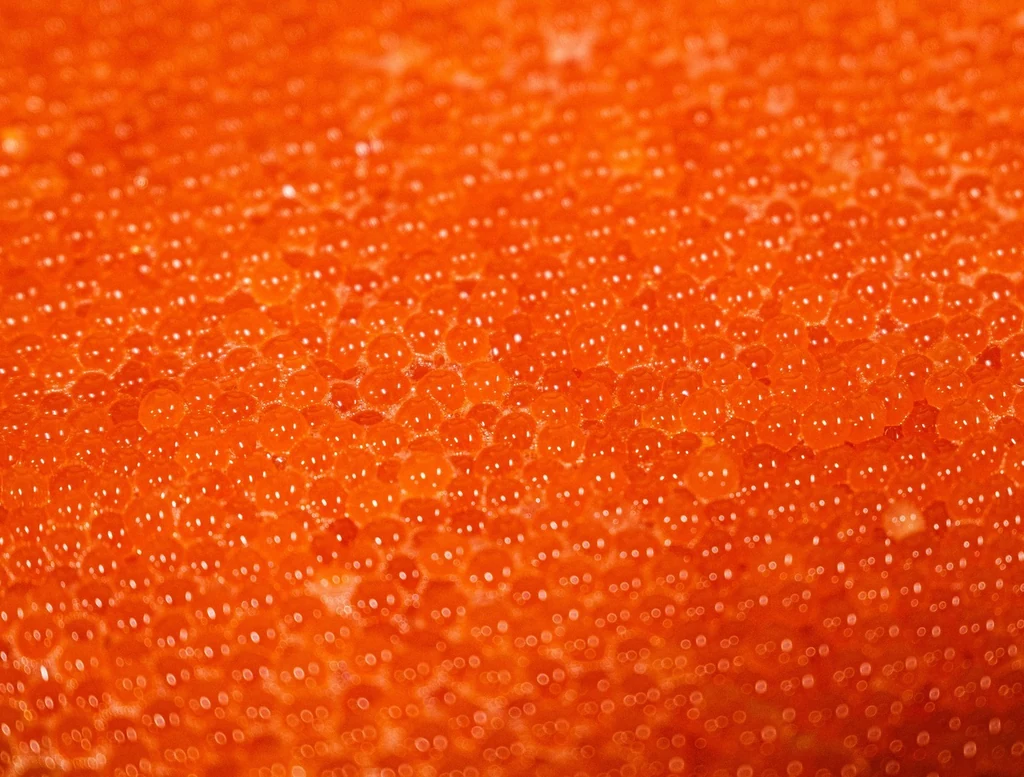
Atlantic Fertilized Salmon Eggs — Salmo salar
Certified OvaDiploid & TriploidYear-Round Supply

Atlantic Fertilized Salmon Eggs

Salmo salar

Our flagship salmonid product. Sourced from certified international hatcheries under strict biosecurity protocols. Available in Diploid and Triploid strains.
Hatching Efficiency:≥ 95%
View Product Details
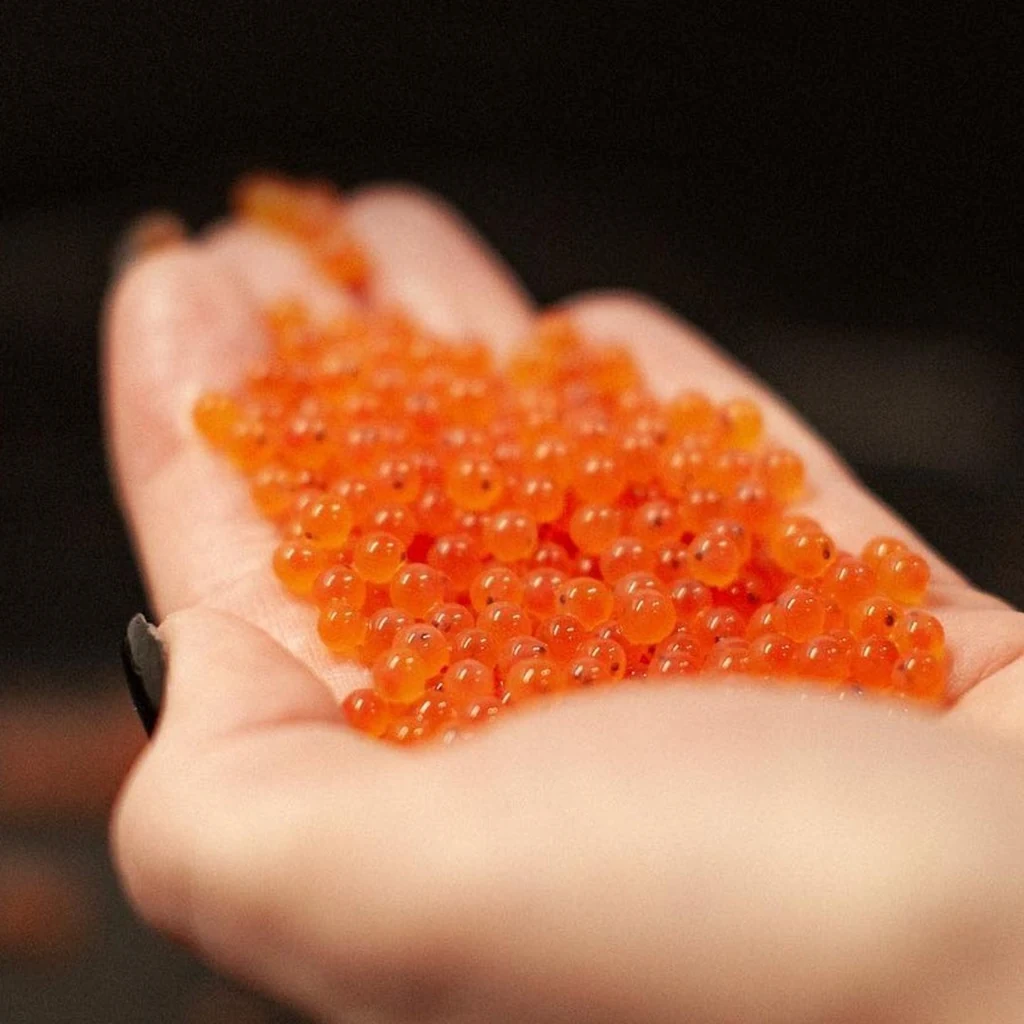
Coho Fertilized Salmon Eggs — Oncorhynchus kisutch
SPF CertifiedRapid Early GrowthRAS Specialized

Coho Fertilized Salmon Eggs

Oncorhynchus kisutch

SPF certified Coho salmon ova engineered for rapid early fry growth, cold-water tolerance, and high survival in freshwater RAS systems.
Hatching Efficiency:≥ 95%
View Product Details
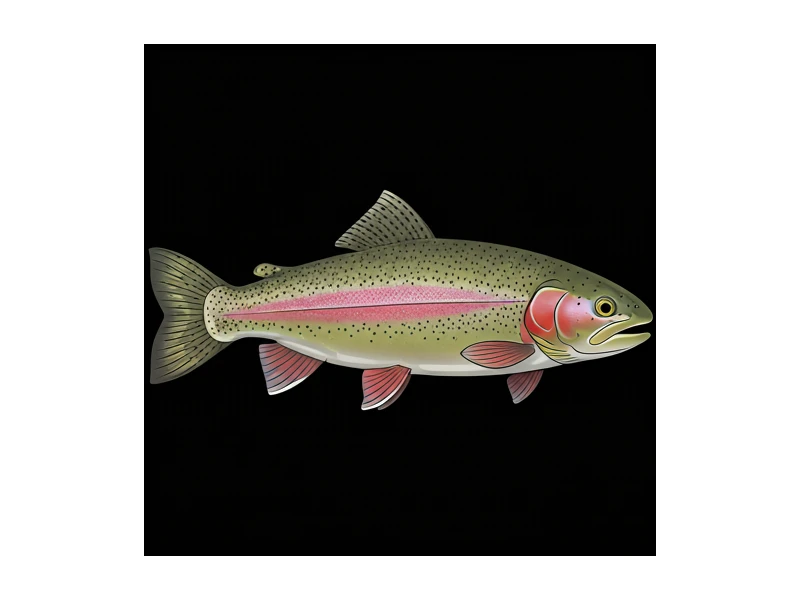
Rainbow Trout Ova — Oncorhynchus mykiss
All-Female StrainsHigh HatchabilityFlow-Through & RAS

Rainbow Trout Ova

Oncorhynchus mykiss

All-female and triploid trout eggs with high hatchability for commercial freshwater raceway and RAS trout farming.

Hatching Efficiency:≥ 95%
View Product Details
Why Our Salmon Eggs Are Different

Direct-sourced from SPF-certified broodstock, not resold through brokers

We work directly with a diversified network of international salmon hatcheries, so every batch of Atlantic and Coho ova ships eyed, cold-chain verified and disease-free — with full origin traceability from broodstock to your incubation trays.

Order salmon eggs
Eyed-Egg Embryogenesis Vector

Eyed Ova Development & Cold-Chain Logistics

3.8°C LOGGEDSPF BIOSECURE
EYED EMBRYO · 380-420 ATU
Thermal Development (ATU)380 / 500 ATU
Fertilization (0)Eyed Dispatch (380-420)Hatching (500)
4.0 °C Controlled Cold Chain2.0°C – 4.0°C Target

Maintains metabolic dormancy during air transit.

Insulated Container ValidationEPS Crate & Logger

Dispatched with real-time temperature logger sensors.

>95% Hatching Rate Guarantee upon Biosecure Arrival
Development & ATU Reference

Incubation Timeline & Degree-Day Matrix

Degree-days (Accumulated Thermal Units / ATU) govern embryonic development from fertilization to hatching. Because ova ship at the resilient eyed stage, hatcheries can accurately forecast emergence dates based on stable incubation water temperatures.

Species & StrainFertilization to EyedDispatch WindowOptimal IncubationDays to Hatch (7–8 °C)Total ATU to Hatch
Atlantic Fertilized Salmon Eggs
Salmo salar
220–250 ATU240–280 ATU6.0–8.0 °C30–38 days480–520 ATU
Coho Fertilized Salmon Eggs
Oncorhynchus kisutch
200–230 ATU220–250 ATU6.5–8.5 °C28–35 days450–500 ATU
Rainbow Trout Ova
Oncorhynchus mykiss
150–170 ATU160–180 ATU7.0–10.0 °C16–22 days310–330 ATU
Thermal Stability Window

Maintain steady 6.0–8.0 °C. Avoid fluctuations exceeding 1.5 °C per day. Temperature spikes above 10 °C risk spinal deformity and premature yolk-sac emergence.

Dissolved Oxygen & Flow

Maintain dissolved oxygen above 8.0 mg/L with a gentle laminar flow rate of 4–6 L/min per 100,000 ova in vertical incubation trays or upwelling jars.

Tempering & Acclimatization

Acclimatize shipping containers gradually over 45–60 minutes upon arrival to equilibrate cold-chain transit temperatures with hatchery supply water before tray loading.

Process

From source to your customer — three steps, full control

From certified primary producers across multiple origins to commercial hatcheries worldwide, every shipment is lab-verified and cold-chain monitored.

Salmon Egg Sourcing Network
AUDIT #OVA-2026
Multi-Origin Salmon Hatcheries
SPF Pathogen-Free BroodstockDirect Partner Hatcheries
PHASE 01

Sourced at origin

  • Multi-origin salmon egg sourcing, led by our certified hatchery network
  • SPF (pathogen-free) production protocol
  • Health and origin certification for every batch
Producer Audit: Direct Agreements
Quality Controlled
Batch & Lab Telemetry
LAB-QC #2026-PASS
Protein 61%HUFA & LipidsCertified Facilities
Per-Batch PCR & Pathogen ScreenTested Pure
PHASE 02

Lab & quality

  • Per-batch protein, HUFA and microbiology analysis
  • Cold-chain verification sensors
  • HACCP-certified, lab-tested partner facilities
Lab Protocol: Per-Batch Micro Analysis
Quality Controlled
4.0 °C Cold-Chain Flight Corridor
TEMP-LOG #4.0C-STABLE
Global Air & Reefer Shipping CorridorsFast Customs Clearance
PHASE 03

Global shipping

  • Flexible global shipping, tailored to your destination
  • Export docs, customs & veterinary support
  • Air freight and reefer cargo tracking
Logistics Window: Weekly Air Corridors
Quality Controlled
Need Custom Sourcing or Dedicated Batch Logistics?
Our technical team provides full customs clearance and temperature tracking for your facility.
Request Supply Chain Quote
Questions & Answers

Frequently asked questions

The questions buyers ask us most about this page. The full set, filterable by subject, lives on our FAQ hub.

Atlantic salmon (Salmo salar), Coho salmon (Oncorhynchus kisutch) and rainbow trout (Oncorhynchus mykiss) as certified fertilized eyed ova, including diploid, triploid and all-female strains depending on species. Supply runs through a diversified network of certified hatcheries rather than a single origin, which is what keeps a season workable when one source is disrupted.

Atlantic salmon eggs require approximately 480–520 Accumulated Thermal Units (ATUs or degree-days) to hatch, Coho salmon require 450–500 ATUs, and Rainbow trout require 310–330 ATUs. Because eggs ship at the resilient eyed stage (typically 220–250 ATUs for Atlantic salmon), they arrive with approximately 240–280 ATUs remaining to hatch. In a standard incubation system running at 7–8 °C, hatching commences within 30 to 38 days post-arrival. ATUs are calculated by multiplying the water temperature in °C by incubation days.View salmonid ova solutions

A mature female Atlantic salmon (Salmo salar) produces approximately 1,200 to 1,800 eggs per kilogram of body weight, yielding between 8,000 and 18,000 eggs per broodstock hen depending on age and weight class. Egg diameter averages 5.5 to 6.5 mm with individual egg weights between 115 and 145 mg. Broodstock nutrition, water temperature and photoperiod manipulation ensure uniform egg sizing and lipid yolk reserves prior to stripping.

Ova are sourced from certified, health-screened hatcheries and ship with the health certification their origin authority issues, covering the pathogens listed for the species and destination. Screening is done at the source hatchery under its own veterinary supervision — we supply the certificates with the consignment, we do not issue them ourselves.

As eyed ova in insulated shipping boxes held at chilled temperature, moved by air freight and monitored with data loggers. Eyeing is the point at which the embryo tolerates handling, which is why ova are shipped at that stage and not earlier; on arrival they go straight to the incubator with minimal thermal shock.Salmonid ova solutions

Yes. Ova ship with handling and incubation guidance covering tempering on arrival, incubation temperature and the degree-day expectation to hatch for the species and batch. Our Japanese and Korean hatchery clients received exactly this support alongside the consignments, and it is part of the supply, not a paid extra.

Live feed, microalgae and stocked feed ingredients usually ship within a week of order confirmation. Fresh Mediterranean seafood is harvested to order and leaves within days. Salmonid ova are the exception: they ship against the hatchery's stripping and eyeing calendar, so volumes are best reserved months ahead of the incubation date you are planning for.

For salmonid ova, yes and unavoidably so — supply follows the broodstock stripping and eyeing calendar, which is why ova are reserved ahead rather than ordered off the shelf. Mediterranean seafood is farmed year-round with size grades shifting through the season. Live feed, microalgae and feed ingredients carry no meaningful seasonality.