
سیست آرتمیای استاندارد در برابر دکپسوله: انتخاب فرم درست
سیست آرتمیای استاندارد با پوسته و آرتمیای دکپسوله بدون پوسته را مقایسه کنید تا گزینه مناسب مجموعه تفریخ، پروتکل تغذیه و بخش مشتریان خود را بیابید.
آرتمیای استاندارد در برابر دکپسوله: تفاوت در چیست؟
سیست آرتمیا بهطور طبیعی پوسته بیرونی ضخیمی به نام کوریون دارد. سیست استاندارد معمولاً پیش از تغذیه تفریخ میشود، چون بچهماهیان بسیار جوان و لارو میگو توان محدودی در هضم پوسته تفریخنشده دارند — بسیاری از گونههای دیگر و لاروهای بزرگتر آن را بدون مشکل تحمل میکنند.
دکپسولاسیون یک فرایند شیمیایی آبگیری و اکسیداسیون است که کوریون بیرونی را حذف میکند و جنین زنده را در غشایی نازک دستنخورده باقی میگذارد. این کار چگالی کالری خالص بالاتری در هر گرم میدهد و امکان تغذیه مستقیم سیستها بدون مرحله جداگانه تفریخ را فراهم میکند — در حالی که سیست استاندارد همچنان گزینهای مقرونبهصرفه و پرکاربرد برای مجموعههایی است که زیرساخت تفریخ مستقر دارند.
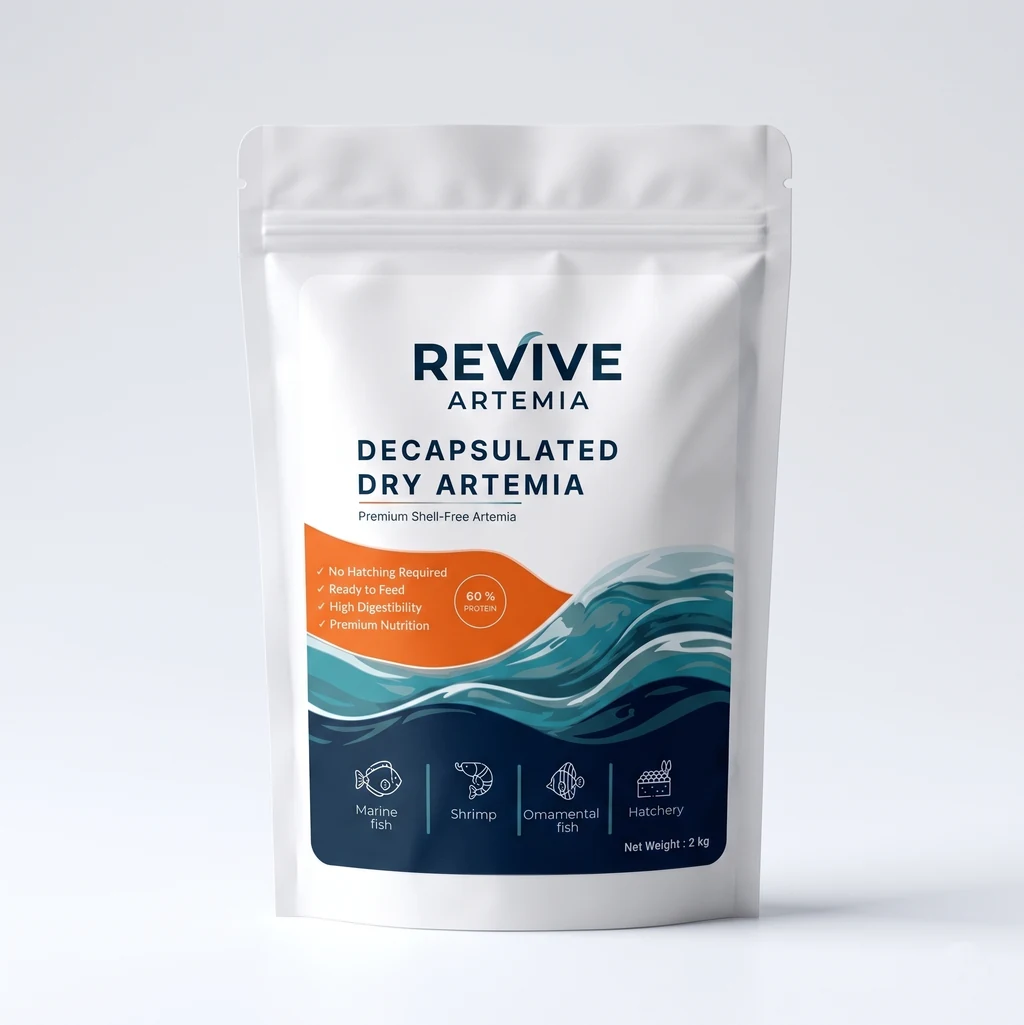
قوطیهای وکیوم 500 و 1000 گرمی
سیست خشک بدون پوسته با غشای جنینی 100% قابل هضم.
شاخصهای کلیدی تغذیهای
با پوسته، بیپوسته، در راه
تفاوتی که دکپسولاسیون ایجاد میکند با چشم غیرمسلح دیده میشود: سیست قهوهای پوستهدار وارد میشود و جنین نارنجی بدون پوسته بیرون میآید — آماده تغذیه، بدون هیچ تفریخی.
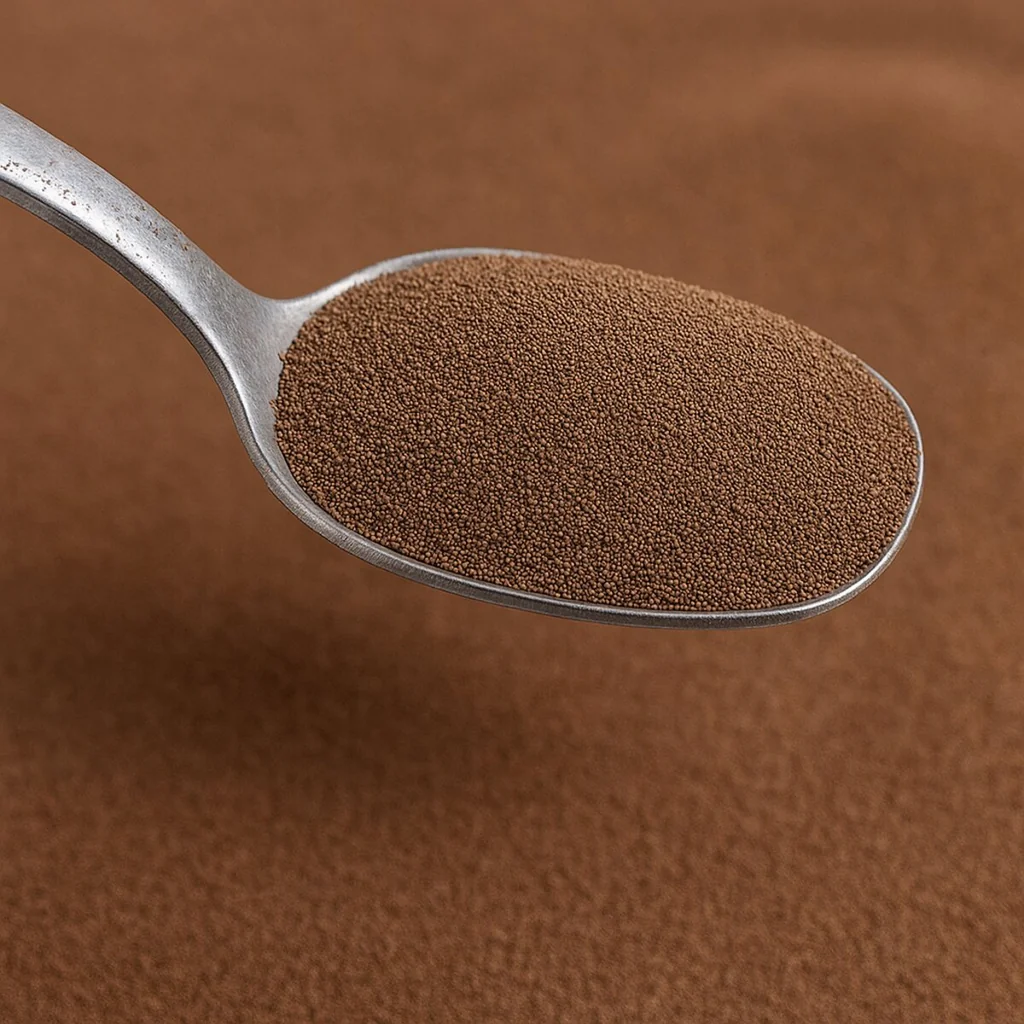
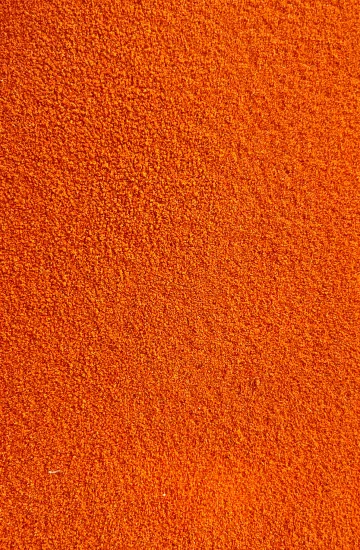
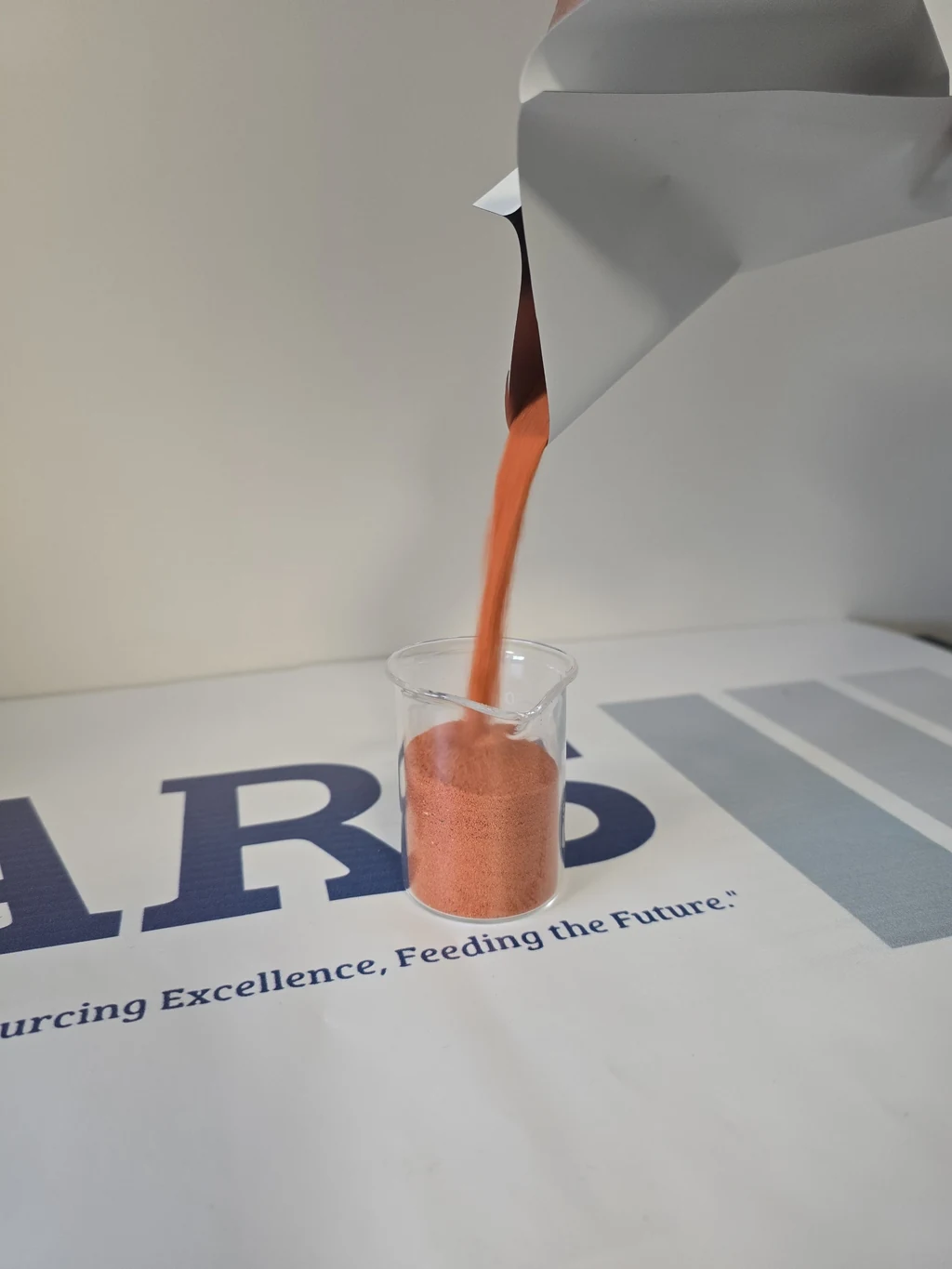
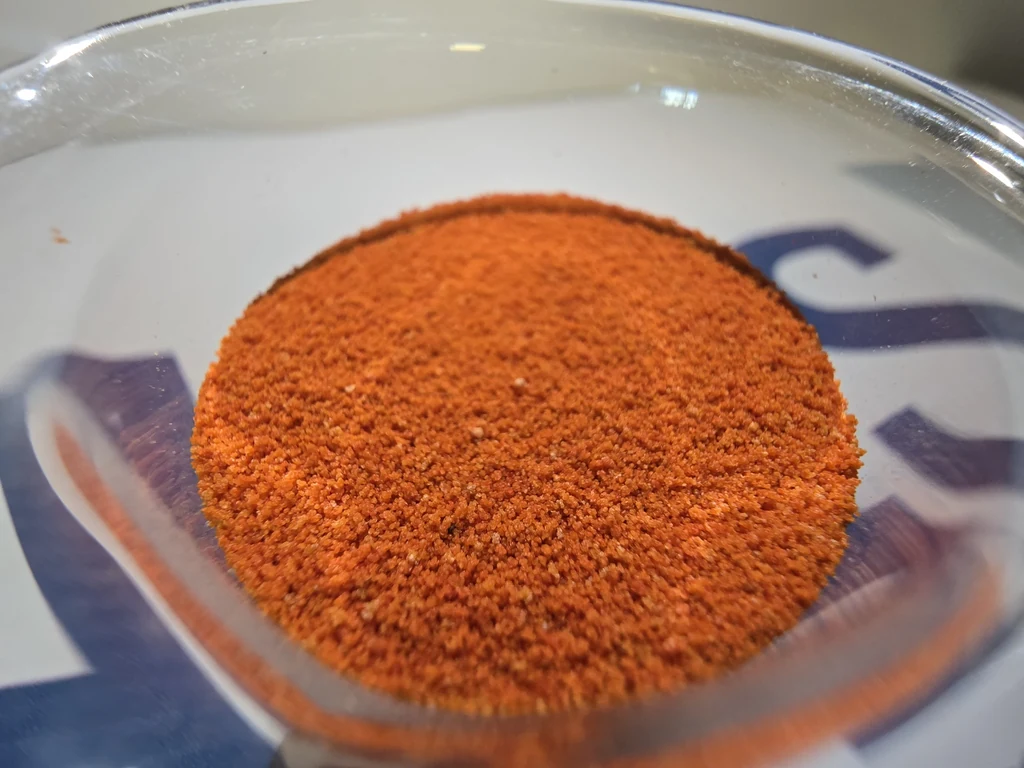
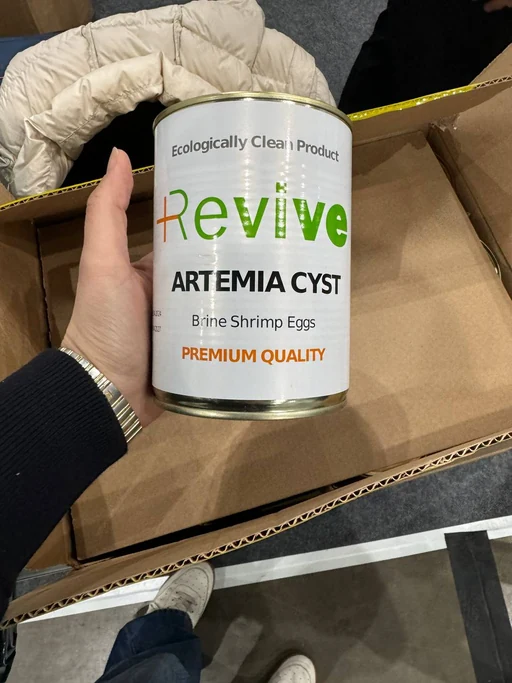
سیست استاندارد در برابر آرتمیای دکپسوله
پوستهٔ کوریون طبیعی خود را حفظ میکند. پیش از تغذیهٔ بچهماهیان بسیار ریز آن را تفریخ کنید، یا مستقیماً به گونههایی بدهید که پوسته را تحمل میکنند.
کوریون بهطور کامل حذف شده است. چگالی انرژی خالص بالاتر (502 کیلوکالری در 100 گرم) بدون مرحلهٔ تفریخ — مستقیماً از قوطی تغذیه کنید.
Why Decapsulated Artemia Outperforms Standard Hatching
100% Embryonic Energy Retained
Standard Artemia nauplii expend 25–30% of their endogenous lipid and glycogen reserves breaking through the rigid chorion during the 24-hour incubation cycle.
Zero Shell · Zero Pathogen Vector
The outer chorion is the primary colonization site for marine bacteria including Vibrio spp. Hypochlorite decapsulation completely dissolves the shell, sterilizing the embryo surface and preventing larval gut impaction.
- 0% indigestible chitin shells
- No intestinal blockage in delicate fry
- Surface disinfection during decapsulation
Direct Feeding · Zero Incubation Cones
Eliminate 24-hour hatching cycles, continuous aeration pumps, light banks, and messy light-separation steps. Simply hydrate dried decapsulated cysts in fresh or salt water for 20–30 minutes and distribute directly.
Soaking softens the cuticular membrane and allows buoyant suspension in the larval water column.
Standard Hatchery Preparation Protocol
Dose exact dry grams per tank based on larval density (no hatch-percentage uncertainty).
Submerge in clean fresh or brackish water (10–15 L water per kg of cysts) with gentle aeration.
Collect on a 100–120 µm plankton sieve; briefly rinse with system water before broadcast.
Evenly broadcast across larval tanks. Neutral buoyancy keeps embryos suspended in the water column.
از سیست خفته تا بلوغ، و بازگشت به آغاز
آبزدوده و کریپتوبیوتیک — سالها در انبار خشک پایدار
کوریون آب جذب میکند و ظرف 18 تا 24 ساعت میشکافد
یک چشم و سه جفت زائده — نخستین مرحلهٔ غذای زنده
در 2 تا 3 هفته بالغ میشود و سیست تازه یا نوزاد زنده تولید میکند
مقایسه فنی: سیست استاندارد در برابر آرتمیای دکپسوله
کدام فرم با مجموعه شما جور در میآید؟
تطبیق آرتمیای استاندارد و دکپسوله با کاربردهای تجاری، عمومی، خردهفروشی و آکواریوم خانگی.
مراکز تکثیر تجاری و مزارع دریایی
مجموعههایی که زیرساخت تفریخ مستقر دارند اغلب از سیست استاندارد بهعنوان یک غذای زنده مقرونبهصرفه استفاده میکنند. برای پستلاروهای بسیار جوان یا حساس (سیباس، شانک طلایی، هامور، میگو)، بسیاری از مراکز تکثیر به آرتمیای دکپسوله روی میآورند تا مرحله تفریخ حذف شود و کار جابهجایی پوسته کاهش یابد.
آکواریومهای عمومی و نمایشگاههای دریایی
آرتمیای دکپسوله گزینهای آماده تغذیه و پرانرژی برای فیلترخواران حساس، اسب دریایی و سوزنماهی فراهم میکند، در حالی که سیست استاندارد برای نمایشگاههایی مناسب است که تفریخ در محل پیشاپیش بخشی از روال کارشان است.
فروشگاههای آکواریوم و خردهفروشان عمده
هر دو فرمت در قوطیهای خردهفروشی با ماندگاری بالا (500 گرمی / 1 کیلوگرمی) موجودند — سیست استاندارد برای مشتریانی که خودشان غذای زنده تفریخ میکنند، و آرتمیای دکپسوله برای مشتریانی که گزینه تغذیه مستقیم میخواهند.
نگهدارندگان آکواریوم صخرهای و آکواریومدارها
آرتمیای دکپسوله برای تغذیه مستقیم در تانکهای صخرهای و مجموعههای پرورش بچهماهی بدون ایستگاه تفریخ کاربردی است، در حالی که سیست استاندارد برای کسانی مناسب است که ترجیح میدهند ناپلیوس خود را تفریخ کنند.
پرسشهای متداول
پرسشهایی که خریداران بیش از همه درباره این صفحه از ما میپرسند. مجموعه کامل، با امکان فیلتر بر اساس موضوع، در مرکز پرسشهای متداول ما قرار دارد.