
アルテミアシスト孵化およびインキュベーションマニュアル
85%以上の孵化率、最大のノープリウス幼生バイオマス、および海産仔魚のためのクリーンな分離を達成するための段階的な科学的ガイド。
最適なふ化条件
安定して高いふ化効率を得るには、円錐形ふ化槽内の環境条件を厳密に管理する必要があります。
塩分濃度
天然海水または人工海水を使用してください。低塩分は孵化時間を遅らせます。
水温
一定の温度を維持してください。25 °Cを下回ると、孵化速度が大幅に低下します。
連続エアレーション
シストを常に浮遊状態に保ちます。シストが沈殿するデッドゾーンを避けてください。
光強度
光は、水和の最初の2時間における胚の発生メカニズムを引き起こします。
缶から顕微鏡まで
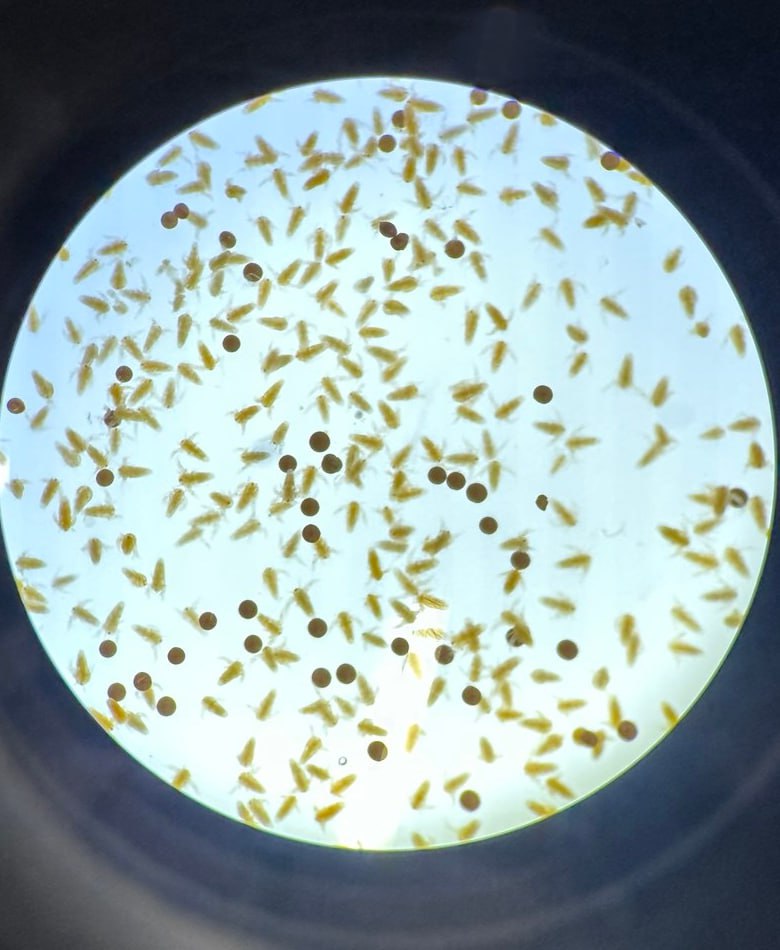
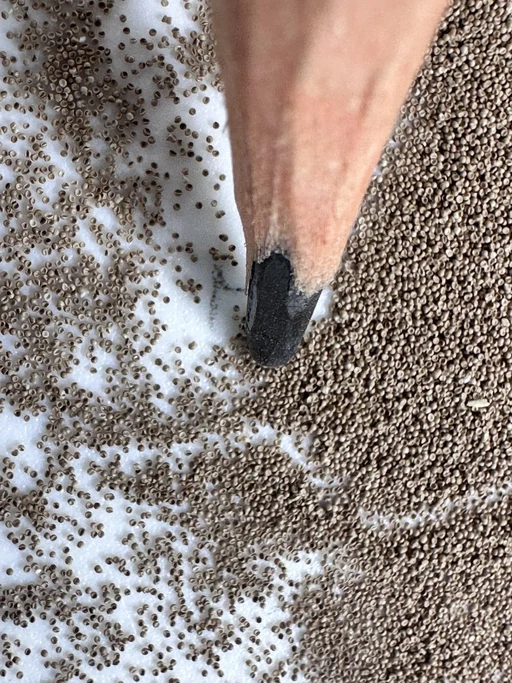
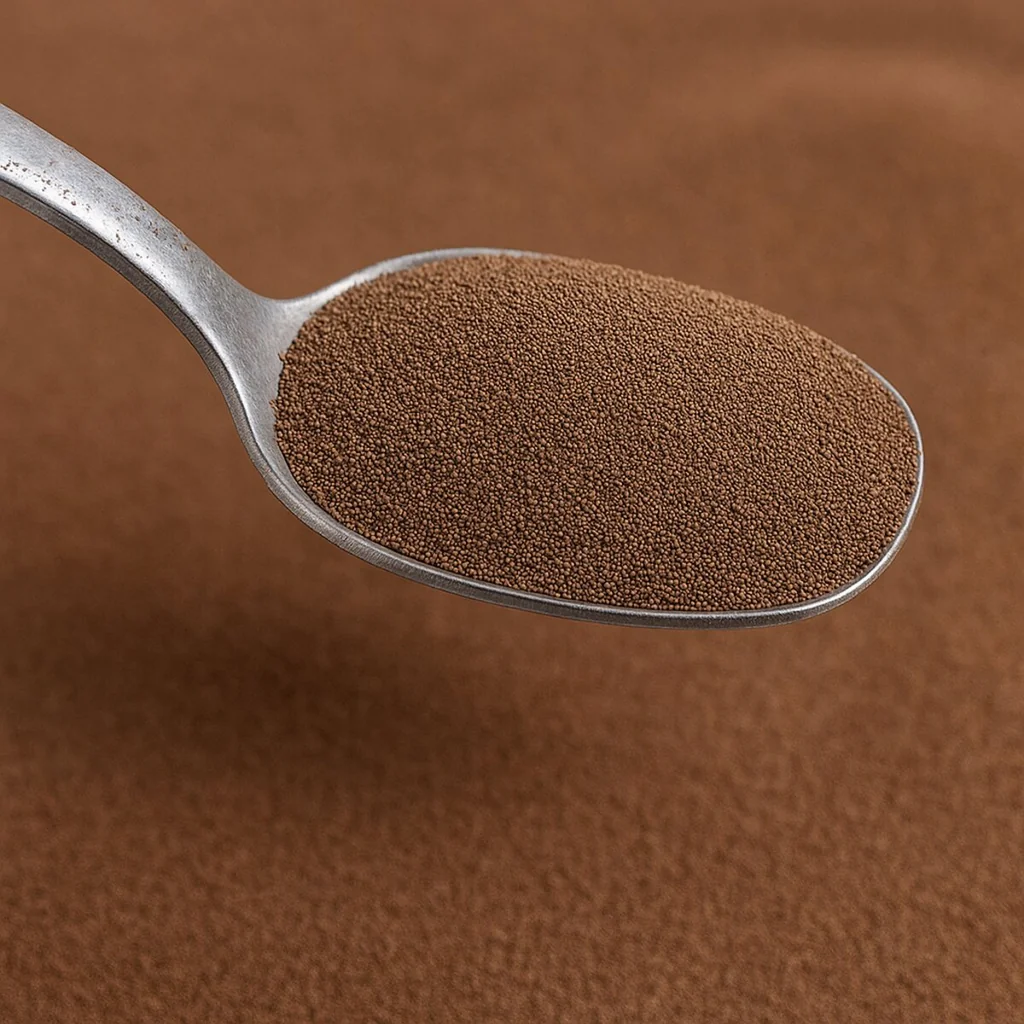
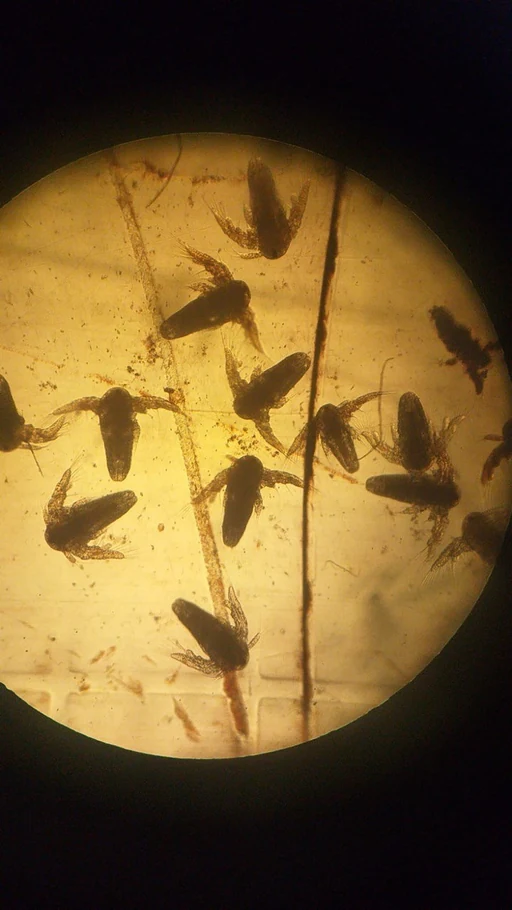
お客様が毎日ふ化させているものと同じReviveアルテミア耐久卵 — 出荷時の状態、計量時の状態、そして24時間後にノープリウスが実験室の顕微鏡下でどう見えるか。
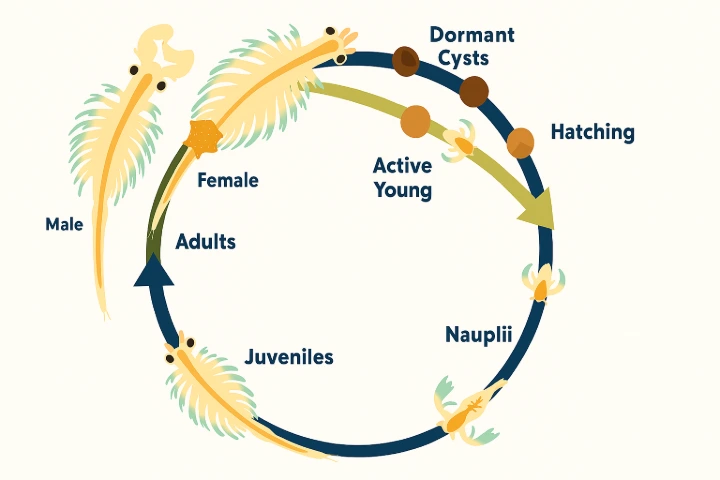
一つのライフサイクル、二つの生存戦略
高塩分や低酸素といったストレス下では、アルテミアの雌は乾燥状態で何年も生存できる休眠耐久卵を産みます。適切な光、温度、塩分のもとで再水和されると、各卵は24〜48時間以内にノープリウスとしてふ化し、幼生期の脱皮を経て成体に達し、そこから再びサイクルが始まります。
上記のふ化条件は、まさにこの生物学のために存在します。休眠中の耐久卵に、目覚めても安全だと伝える条件を再現するものです。
乾燥アルテミア耐久卵の完全ガイドを読む最適な円錐形ふ化槽のダイナミクス
胚が速やかに吸水するための浸透圧バランスを保ちます。
20〜24時間の同調したふ化速度を確保します。
耐久卵の沈降と槽の隅の死水域を防ぎます。
4-Step Hatchery Operating Procedure
消毒と予備水和
乾燥したアルテミアシストを20~25℃の清潔な淡水に30分間浸してから、海水に移します。
円錐形タンクでの孵化
円錐形の孵化容器に30 pptの海水を満たします。シストを最大密度2g/Lで追加します。
収穫と分離
20~24時間後にエアレーションを停止します。ノープリウス幼生は底部の光に向かって泳ぎ、空の殻は上部に浮きます。
冷蔵保存の強化
収穫したノープリウス幼生を十分にすすぎます。冷却した海水 (4~6 °C) で保存するか、エメラルドクロレラで栄養を強化します。