

حتى بالنسبة للمفرخات من الفئة الأولى، يظل توريد بيوض السلمون وإدارتها مهمة عالية المخاطر. ففي قطاع تحدد فيه متغيرات مجهرية نتائج بملايين الدولارات، يشكّل تأمين ثبات جودة البيض والأمن الحيوي والتوافق الوراثي أساس أي دورة إنتاج ناجحة.
فيما يلي تحليل للاختناقات الحرجة التي تواجه المفرخات عالمياً، وللحلول الاستراتيجية اللازمة لتجاوزها.
1. التقلب الموسمي وقيود التوريد
إنتاج بيوض السلمون دوري بطبيعته. وفي ذروة الطلب، كثيراً ما تواجه المفرخات:
نقص المعروض: دفعات محجوزة بالكامل من أفضل أمهات التربية.جمود الأسعار: قفزات كبيرة في التكلفة خلال نوافذ الموسم المرتفع.اختناقات لوجستية: غياب مواعيد تسليم مضمونة.
الأثر: يمكن لسلاسل التوريد غير المتوقعة أن تعطّل جداول التسمين، ما يؤدي إلى استغلال ناقص للطاقة الإنتاجية وخسارة في الإيرادات.
2. تركّز المخاطر: فخ «المصدر الواحد»
الاعتماد على منشأ جغرافي واحد أو مورّد واحد يخلق نقطة فشل وحيدة. فتفشٍّ مرضي إقليمي أو تغيّر تنظيمي أو ضعف في المحصول قادر على تعطيل إنتاج عام كامل. ولم يعد تنويع مصادر التوريد رفاهية، بل شرطاً للمرونة التشغيلية.
3. عدم التوافق الوراثي مع معايير البيئة
التفاعل مع البيئة عامل حاسم. فإذا لم يُنتقَ البيض وراثياً لظروفك تحديداً، فستلاحظ:
تراجع معاملات التحويل الغذائي (FCR).ارتفاع النفوق: خصوصاً في مرحلتي الإصبعيات والسمولت الحساستين.نمواً دون المستوى الأمثل: بسبب عدم التوافق مع درجات حرارة أو مستويات ملوحة أو أنواع أنظمة محددة (مثل أنظمة إعادة التدوير مقابل الأقفاص البحرية).
4. الأمن الحيوي وشهادات خلوّ الأمراض
تحتاج المفرخات إلى شفافية مطلقة. ويجب أن يكون البيض معتمداً كخالٍ من مسببات الأمراض الرئيسية، ومنها:
IPN (النخر البنكرياسي المعدي)BKD (مرض الكلى البكتيري)ISA (فقر دم السلمون المعدي)
والإخفاق في تأمين شهادات صحية صارمة وفي وقتها يعرّض الأنظمة المغلقة المعقّمة لخطر إدخال مسببات أمراض كارثية.
5. التباين في مرحلة الطور العيني
يؤدي تفاوت الجودة داخل الدفعة الواحدة — مثل انخفاض معدلات الإخصاب أو هشاشة القشرة — إلى مجموعات غير متجانسة. وينتج عن ذلك متطلبات تدريج غير قابلة للتنبؤ وتراجع في إمكانات الكتلة الحيوية قبل التغذية الأولى.
6. لوجستيات سلسلة التبريد وإجهاد النقل

البيض شديد الحساسية للتقلبات الحرارية والصدمات الميكانيكية. وتؤدي اللوجستيات سيئة الإدارة إلى:
إجهاد حراري: تسريع أو تأخير غير طبيعي للنمو.نفوق بالصدمة: نتيجة سوء المناولة أثناء العبور.جفاف: يضر بسلامة غشاء البيضة.
7. دقة الصيغة الصبغية: ثلاثية مقابل ثنائية
يتطلب استيفاء متطلبات سوقية أو بيئية محددة إدارة دقيقة للصيغة الصبغية. وسواء احتجت بيضاً ثلاثي الصيغة للامتثال البيئي أو ثنائي الصيغة للتسمين التقليدي، يبقى إيجاد مورّد يضمن ثباتاً بنسبة 100% تحدياً متكرراً.
8. حواجز الاستيراد الدولية المعقدة
يُعد «جدار الأوراق» سبباً رئيسياً لتأخر الشحنات. فالتعامل مع الشهادات الصحية البيطرية (VHC) والإقرارات الجمركية والتصاريح الخاصة بكل نوع (كوهو، تشينوك، أطلسي) يتطلب خبرة محلية لتفادي الرفض عند الحدود.
9. المنافسة الصناعية على المخزون عالي الجودة
مع تنامي الاستهلاك العالمي للسلمون، كثيراً ما يحجز كبار اللاعبين السلالات المتميزة قبل أشهر أو سنوات. وهذا يترك المفرخات المستقلة والمتوسطة تكافح للوصول إلى أعلى المخزونات أداءً.
10. عقلية «اشحن وانسَ»
لا يقدّم كثير من المورّدين أي دعم بعد التسليم. وبدون إرشاد تقني حول الأقلمة وتوافق الأنظمة والتغذية في المراحل المبكرة، تُترك المفرخات لتعالج مشكلات الأداء بمفردها.
الحل: توريد استراتيجي مع VARS Aquaculture
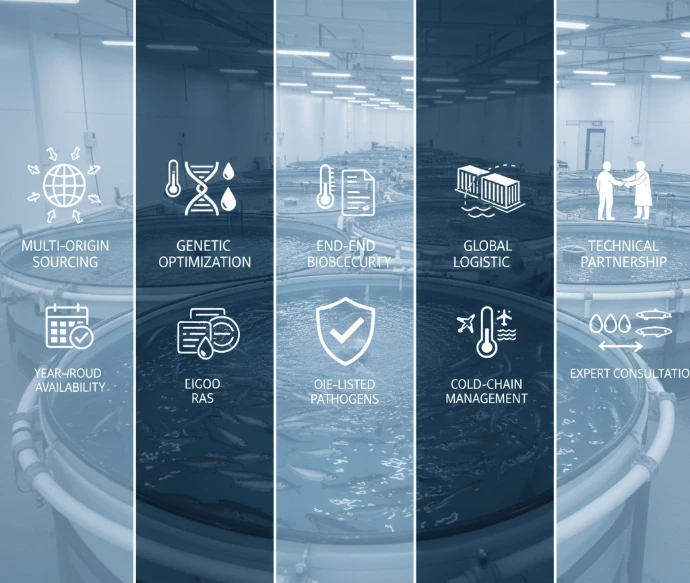
تسدّ VARS Aquaculture الفجوة بين أمهات التربية المتميزة ونجاح المفرخ. ونحن نزيل تقلب الإنتاج عبر:
التوريد من مصادر متعددة: تكرار عبر حدود دولية لضمان توافر على مدار العام.التحسين الوراثي: نطابق سلالات محددة مع حرارة منشأتكم وملوحتها وتقنيتها (أنظمة إعادة التدوير أو الأقفاص).أمن حيوي من الطرف إلى الطرف: شفافية وتوثيق كاملان لجميع مسببات الأمراض المدرجة لدى المنظمة العالمية لصحة الحيوان.إتقان اللوجستيات العالمية: إدارة متخصصة لسلسلة التبريد لضمان وصول البيض في أفضل حالة فسيولوجية.شراكة تقنية: استشارة متخصصة من التسليم حتى مرحلة السمولت