
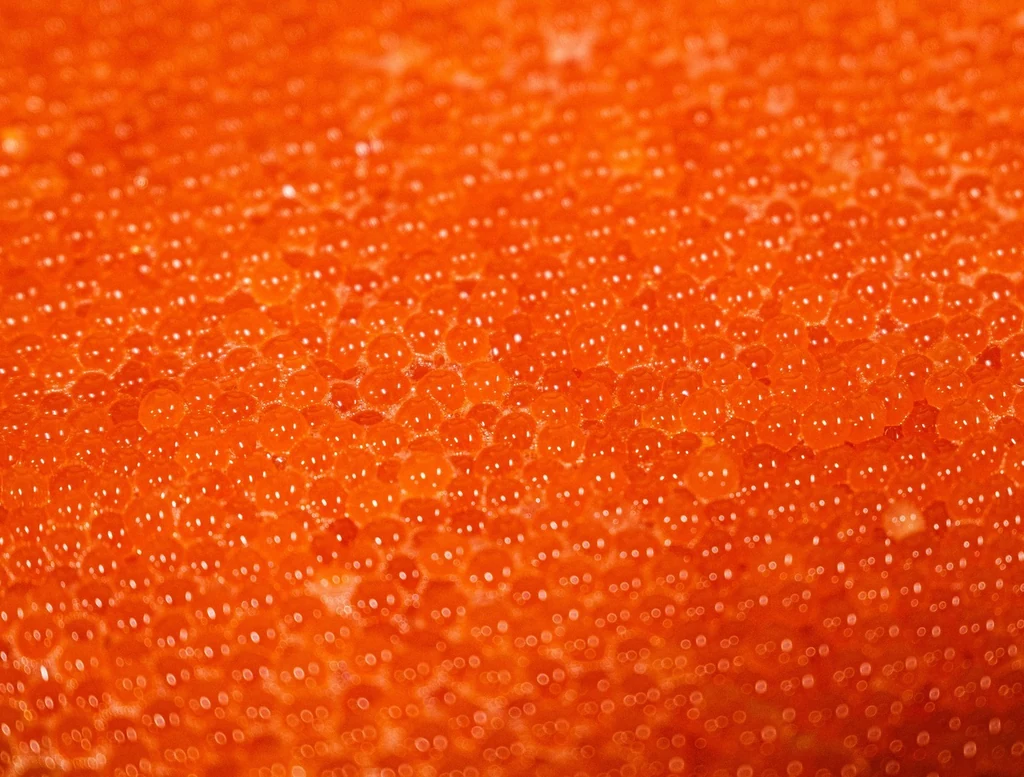
サケ受精卵の孵化タイムライン:積算温度(ATU)と孵化管理物理学

TSTechnical Services·September 5, 2026·8 分で読めます
サケ受精卵の孵化タイムライン:積算温度(ATU)と孵化管理物理学

In cold-water salmonid hatchery operations, precise temporal control over embryogenesis governs production scheduling, tank allocations, and biosecurity buffers. For commercial operations handling Atlantic fertilized salmon eggs and Coho fertilized salmon eggs, predicting hatching dates and larval yolk resorption cannot rely on calendar days alone. Because teleost embryos are poikilothermic organisms, the biochemical kinetics of mitotic division, organogenesis, and enzymatic hatching depend strictly on ambient water temperature.

The universal metric governing this developmental clock is the Accumulated Thermal Unit (ATU), commonly designated as degree-days (°C-days). Managing ATUs with high-precision temperature logging, hydraulic optimization, and biosecure water treatment marks the difference between synchronized, high-viability swim-up fry and catastrophic batch mortality.

The Physical Principle of Accumulated Thermal Units (ATU)

One Accumulated Thermal Unit represents the thermal exposure of an embryo residing in water at an average temperature of one degree Celsius over a continuous 24-hour cycle:

$$\text{ATU} = \sum_{i=1}^{n} T_i \times D_i$$

Where $T_i$ is the mean water temperature in °C during interval $i$, and $D_i$ represents the duration in days. For example, maintaining salmon eggs at 8.0 °C for 10 days yields exactly 80 ATUs ($8.0 \times 10$).

The Arrhenius Relationship and Thermal Boundaries

While the linear ATU model provides reliable operational scheduling within the normal physiological window (4.0 °C to 10.0 °C for *Salmo salar*), developmental velocity deviates at thermal extremes:

  • Sub-optimal Lows (< 3.0 °C): Embryogenesis slows non-linearly. While chilling to 1.5–2.5 °C is utilized during international air freight logistics to induce metabolic dormancy, holding un-eyed ova at these temperatures risks incomplete blastopore closure and neural crest deformities.
  • Optimal Incubation Window (6.0 °C – 8.0 °C): Yields maximal hatching synchronization, optimal yolk-to-tissue conversion efficiency, and lowest spinal malformation rates.
  • Critical Highs (> 10.5 °C): Elevates embryonic oxygen demand beyond the diffusion capacity of the egg capsule. Premature hatching occurs, driven by early secretion of the chorionase enzyme (*hatching enzyme*), resulting in small, weak alevins prone to pinhead syndrome.

Critical Developmental Milestones and Degree-Day Benchmarks

Salmonid embryonic development progresses through six distinct biological milestones, each characterized by defined physical tolerances and ATU milestones.

Developmental StageAtlantic Salmon (*Salmo salar*) ATUCoho Salmon (*Oncorhynchus kisutch*) ATUSensitivity & Vulnerability StatusOperational Hatchery Protocol
Fertilization & Water Hardening0 – 48 ATU0 – 40 ATUExtreme sensitivity to shear and vibrationDisinfection bath (iodophor 100 ppm, pH 7.0) for 10 min; undisturbed loading into trays
Cleavage to Epiboly (Blastula)48 – 140 ATU40 – 120 ATUCritical fragility; vitelline membrane rupture riskComplete darkness, zero mechanical disturbance, continuous laminar flow
Blastopore Closure~140 – 180 ATU~120 – 160 ATUTransition to mechanical resilience beginsProphylactic fungal treatment (Bronopol or formalin)
Eyed Stage Milestone220 – 250 ATU200 – 220 ATURobust; melanin retinal pigmentation visibleMechanical shocking, sorting of unfertilized/dead eggs, international air transit
Hatching Window (Alevin emergence)480 – 520 ATU440 – 480 ATUDelicate vascular network; high oxygen consumptionSubstrate insertion (astro-turf or bio-rings); flow rate increase to 0.8 L/min per 10k alevins
Yolk-Sac Resorption (Swim-up)750 – 850 ATU700 – 780 ATUTransition from endogenous to exogenous feedingFirst-feeding starter feed introduced when 80% of yolk is absorbed

The Eyed Stage and Mechanical Shocking Protocol

Prior to the eyed stage, the perivitelline space and embryonic membranes are susceptible to hydrostatic shock. Once retinal melanophores deposit dark pigment in the optic cups (220–250 ATU), the vitelline membrane hardens, and the embryo enters its most mechanically resilient state.

At this juncture, commercial hatcheries execute mechanical shocking:

1. Siphon Drop or Agitation: Trays are gently poured into water from a height of 30–50 cm, or water is siphoned into a collection vessel. 2. Rupture of Infertile Eggs: The physical impact ruptures the weak vitelline membrane of unfertilized or non-viable eggs. Water penetrates the egg interior, precipitating globulin proteins and turning the infertile ova opaque white within 30 to 60 minutes. 3. Automated Mechanical Sorting: Viable, translucent amber-colored eyed ova are separated from opaque white mortalities using high-speed optical sorters or salt-density flotation baths. 4. Disinfection & Packing: Sorted eyed ova are disinfected with buffered iodophor (100 ppm active iodine at neutral pH for 10 minutes) prior to packaging in insulated, chilled transport cases.

Incubator Hydrology and Water Quality Architecture

Successful incubation requires pristine water physics. Sub-gravel upwelling incubators, cylindrical upwelling jars (Zoug jars), and vertically stacked laminar incubators (MariSource / Heath trays) must maintain strict hydraulic and chemical tolerances.

Hydraulic Flow Velocity and Oxygen Gradient

Embryos consume dissolved oxygen purely through passive molecular diffusion across the porous, proteinaceous chorion. As incubation progresses toward hatching, embryonic oxygen consumption triples:

  • Hydraulic Loading Rate: Maintain a laminar flow rate of 3.0 to 5.0 L/min per 100,000 eggs in Heath-style vertical incubation stacks. Flow must remain strictly non-turbulent; high turbulence causes egg abrasion and mechanical stress.
  • Dissolved Oxygen (DO): Inflow DO must remain strictly above 9.0 mg/L (> 95% saturation). Outflow DO must never drop beneath 7.0 mg/L. A drop in effluent DO indicates excessive biological loading or biofouling in the tray matrix.
  • Total Gas Pressure (TGP): Degassing columns are mandatory. TGP must remain beneath 100% (ΔP < 10 mmHg). Supersaturated nitrogen or argon gas causes Gas Bubble Disease (GBD) within the perivitelline fluid, forming micro-bubbles that fatally rupture the chorion or yolk sac.

Fungal Control: Combating *Saprolegnia*

Waterborne fungal zoospores, primarily *Saprolegnia diclina* and *Saprolegnia parasitica*, readily colonize dead, protein-rich ova, rapidly producing a dense white mycelial carpet that smothers adjacent healthy living eggs.

Standard prophylactic protocols include: - Bronopol (Pyceze): 50 mg/L active substance as a continuous flush for 30 minutes, applied 2 to 3 times weekly until eyes appear. - Formalin: 1,000 to 1,500 ppm (1:1000 to 1:700 dilution of 37% formaldehyde) for 15 minutes under high aeration. Never dose within 48 hours of expected hatching, as formalin hardens the chorion and inhibits the hatching enzyme.

International Cold-Chain Logistics & Hatchery Acclimation SOP

Transporting eyed ova across continents requires continuous cold-chain management to arrest development and preserve viability. Learn more about our complete biosecure salmonid ova solutions designed for commercial RAS and flow-through facilities.

``` +-----------------------------------------------------------------------------------+ | COLD-CHAIN AIR TRANSIT ARCHITECTURE | +-----------------------------------------------------------------------------------+ | [Gel-Ice / Ice Layer] -> Top-mounted, gravity melt-drainage design | | [Moist Muslin / Foam] -> 98-100% relative humidity, prevents egg desiccation | | [Perforated Trays] -> Multi-tier stack; 1.5 °C to 3.5 °C temperature buffer | | [Insulated EPS Box] -> Outer structural corrugated carton with data logger | +-----------------------------------------------------------------------------------+ ```

Acclimation Protocol Upon Arrival

1. Verify Temperature Data Logger: Immediately download the internal temperature log. Core temperatures must have remained strictly between 1.5 °C and 4.0 °C throughout transit. 2. Thermal Equalization (Tempering): Rapid temperature swings induce fatal thermal shock and embryonic vascular collapse. The temperature difference between transport packaging and incubation water must be bridged at a maximum rate of 1.0 °C per hour. 3. Hydration & Rinsing: Gently rinse eggs with clean, chilled hatchery water (pH matched) to remove accumulated embryonic metabolic wastes (carbon dioxide and ammonia). 4. Prophylactic Iodophor Bath: Immerse in 100 ppm buffered iodophor for 10 minutes at incubation temperature prior to loading into production trays.

Aquaculture Terminology & Technical Definitions

  • Accumulated Thermal Unit (ATU): The cumulative sum of daily mean water temperatures in degrees Celsius over embryonic incubation; synonymous with degree-days (°C-days).
  • Alevin: The newly hatched salmonid life stage, bearing a prominent ventral yolk sac and residing within benthic incubation substrate prior to swim-up.
  • Chorion: The multi-layered, semi-permeable protein shell enclosing the salmonid egg.
  • Chorionase: The proteolytic hatching enzyme secreted by specialized epidermal glands in the embryonic snout that digests the inner chorion prior to emergence.
  • Epiboly: The morphogenetic movement of blastoderm cells spreading downward to enclose the yolk sphere during early gastrulation.
  • Mechanical Shocking: The deliberate physical jarring of eyed salmonid ova to rupture non-viable eggs for automated culling.
  • Water-Hardening: The rapid uptake of water into the perivitelline space immediately following fertilization, establishing turgor pressure and structural durability. Visit our aquaculture terminology glossary for complete industry formulas.

Scientific References

  • Leitritz, E., & Lewis, R. C. (1976). Trout and Salmon Culture (Hatchery Methods). California Department of Fish and Game, Fish Bulletin 164.
  • Crisp, D. T. (1981). A desk study of the relationship between temperature and hatching time for the eggs of five species of salmonid fishes. Freshwater Biology, 11(4), 361-368.
  • Piper, R. G., McElwain, I. B., Orme, L. E., McCraren, J. P., Fowler, L. G., & Leonard, J. R. (1982). Fish Hatchery Management. United States Department of the Interior, Fish and Wildlife Service, Washington, D.C.
  • Gorodilov, Y. N. (1996). Description of the early ontogeny of the Atlantic salmon, *Salmo salar*, with a novel system of interval (stage) identification. Environmental Biology of Fishes, 47(2), 109-127.
  • Jensen, J. O. T., McLean, W. E., & Rombough, P. J. (1992). Incubation and development of salmonid eggs and alevins: biology and physical requirements. Canadian Technical Report of Fisheries and Aquatic Sciences, No. 1876.
親魚・育種プログラム

発眼卵の割当枠を確保する

アトランティックサーモンまたはギンザケ発眼卵の育種最適化と防疫対応のコールドチェーン輸送。出荷枠は当社コンプライアンス担当と調整いたします。

シェア:
Featured Products Mentioned

Featured Aqua Inputs & Export Solutions

Explore premium live feed concentrates, salmonid ova, and certified seafood exports referenced in this article.

Explore Product Catalog
魚粉
飼料添加物

最適な成長、健康、および飼料効率に不可欠な、高タンパクかつ高消化性の水産原料。

≤ 10%
水分
55–65%
タンパク質
#タンパク質 55〜65%#持続可能な調達
活性小麦グルテン(バイタルグルテン)
飼料添加物

ペレットの安定性、食感、および栄養素の送達を最適化する、プレミアムな結着剤および植物性タンパク源。

150%
吸水率
~82%
タンパク質
#タンパク質 ≥ 82%#吸水率 ≥ 150%
ポテトプロテイン
飼料添加物

優れた消化吸収性とバランスの取れたアミノ酸プロファイルを備えた、プレミアムな植物性タンパク質濃縮物。

≥ 76%
タンパク質
92%
消化性
#タンパク質 ≥ 76%#消化性 92%