관상어 양식에서의 탈각 아르테미아 내구란: 수화 프로토콜과 치어 소화 안전성

TSTechnical Services·September 5, 2026·13 분 소요
관상어 양식에서의 탈각 아르테미아 내구란: 수화 프로토콜과 치어 소화 안전성

In both commercial aquaculture hatcheries and ornamental fish breeding facilities, the provision of high-energy, biosecure live and inert feeds represents the single most critical determinant of larval survival, gut development, and specific growth rate (SGR). Artemia (brine shrimp) cysts have served as the benchmark foundational feed across global aquaculture for over five decades. However, conventional use of intact diapause cysts introduces substantial operational vulnerabilities: incomplete hatching synchrony, labor-intensive incubation cone maintenance, vibrio pathogen transmission vectors, and the ever-present danger of indigestible cyst shell (chorion) ingestion by early-stage larvae.

Decapsulated Artemia cysts—cysts from which the outer, non-digestible chitinous shell has been chemically removed while leaving the living embryo encased only in a thin embryonic membrane—represent one of the most efficient, bio-secure, and nutrient-dense solutions in modern fish nutrition. When processed and stored under controlled conditions, decapsulated cysts can be fed directly as an inert, high-energy micro-pellet or incubated under clean conditions.

Yet, among aquarium hobbyists, ornamental producers, and forum communities (such as Turkey’s akvaryum.com and international discus breeding forums), significant confusion and critical feeding mistakes persist. When fed improperly without structured pre-soaking, dry decapsulated cysts absorb gastrointestinal moisture, causing intestinal impaction, swim bladder pressure, and buoyancy disorders. Conversely, when handled with rigorous hydration and feeding hygiene, they deliver superior gross energy, higher lipid recovery, and zero risk of shell-induced gut blockage.

Biological Architecture: Why the Chorion is a Critical Hazard

To understand the benefits of decapsulation, one must inspect the morphology of the encysted gastrula. The Artemia cyst is surrounded by a complex, multi-layered envelope structured as follows:

1. The Epicuticle: A thin, waxy outer coating containing lipids that repels water during dry diapause. 2. The Alveolar Layer & Cortical Layer (True Chorion): A rigid, hard, brown shell composed of a structural matrix of chitin strongly conjugated with cross-linked sclerotized proteins and hematin pigments. This layer provides extraordinary mechanical resistance, protecting the dormant embryo from ultraviolet radiation, desiccation, thermal extremes, and microbial degradation. 3. The Outer Cuticular Membrane: An elastic barrier beneath the cortical layer. 4. The Inner Cuticular Membrane: A flexible, semi-permeable cellular envelope directly encasing the multicellular gastrula-stage embryo.

The Ingestion Hazard in Aquarium Fish and Larvae

The hard chorion is completely indigestible to teleost fish and crustacean larvae. Fish fry lack the concentrated chitinase enzymes and acidic gastric capacity necessary to break down this structural shield. When larvae (e.g., Discus fry, juvenile Betta, Cichlid fingerlings, Sea Bass, or Sea Bream larvae) accidentally swallow unhatched intact cysts or empty cyst shells:

  • The angular, rigid shells lodge in the pyloric caeca or narrow lumen of the larval intestine.
  • The indigestible matter forms mechanical obstructions (bezoars), lacerating delicate gut epithelial microvilli.
  • Secondary bacterial infections (most commonly *Aeromonas hydrophila*, *Pseudomonas*, or *Vibrio* species) colonize the damaged mucosal barrier, resulting in acute enteritis, abdominal swelling, fecal stasis, and rapid mortality.

Decapsulation chemically dissolves this hard alveolar and cortical chorion using an alkaline hypochlorite oxidative wash, leaving the embryo completely intact and protected solely by the transparent outer cuticular membrane. This process completely eliminates the mechanical impaction hazard. For commercial operations, explore our decapsulated dry Artemia cysts for direct feeding, or compare with standard Artemia cysts requiring incubation.

Comparative Nutritional Energetics: Decapsulated Embryos vs Hatched Instar-I Nauplii

A widespread misconception across aquarium hobbyist groups and hatchery discussions is that hatched live Artemia nauplii are inherently more nutritious than dry decapsulated cysts. Bio-energetic research pioneered by the Laboratory of Aquaculture & Artemia Reference Center (Ghent University) demonstrates the exact opposite from a stoichiometric and metabolic standpoint.

The Cost of Hatching (Catabolic Depletion)

When an intact cyst is hydrated and placed in an incubation cone with vigorous aeration:

  • The embryo resumes metabolic activity and synthesis of trehalose into glycerol.
  • In order to break through the hard chorion during the umbrella stage and rupture the embryonic membrane, the developing organism consumes between 30% and 40% of its stored high-energy yolk reserves (primarily high-density lipoproteins and free glycogen).
  • By the time the free-swimming Instar-I nauplius emerges, a significant fraction of the original caloric and amino acid pool has been metabolized solely to fuel locomotion, osmotic balance, and hatching mechanics.

Proximate Biochemical Composition Analysis

Nutritional ParameterIntact Dry Decapsulated EmbryoHatched Instar-I Nauplii (Fresh)Hatched Instar-II Nauplii (Non-Enriched, 24h)
Crude Protein (% DM)54.0% - 58.0%48.0% - 52.0%44.0% - 48.0%
Crude Lipid (% DM)14.5% - 18.5%11.0% - 14.0%8.5% - 10.5%
Carbohydrates / Glycogen10.0% - 13.0%8.0% - 10.0%5.5% - 7.0%
Gross Energy Content~23.5 - 24.8 kJ/g~18.5 - 20.0 kJ/g~16.0 - 17.5 kJ/g
Digestibility Rate94% - 98%88% - 92%82% - 86%
Individual Particle Diameter200 - 250 µm420 - 520 µm (Length)600 - 850 µm (Length)
Bacterial Bio-BurdenDisinfected (Sterile processing)Variable (Incubation broth culture)High (Requires post-harvest washing)

Because dry decapsulated cysts measure between 200 and 250 microns in diameter, they can be ingested by smaller mouth-gape larvae several days earlier than newly hatched Instar-I nauplii (which measure 450+ µm in length with extended antennae), bridging the difficult weaning window between rotifer-feeding and coarse micro-diets.

Addressing Aquarium User Concerns & Pathologies

Community discourse on platforms such as akvaryum.com and international cichlid forums reveals several recurrent operational failures when aquarists transition to decapsulated cysts:

Intestinal Swelling and Dehydration (The Dry Drop Mistake)

  • The Error: Dropping bone-dry, dehydrated decapsulated cysts straight into the aquarium surface.
  • The Pathology: An unhydrated Artemia cyst contains less than 8-10% internal moisture. When swallowed rapidly by eager fish (such as neon tetras, guppies, angelfish, or African cichlids), the hygroscopic particles immediately begin drawing fluids from the surrounding mucosa and gastric secretions of the stomach and intestine. The cysts expand by 40% to 65% in physical volume inside the digestive tract within 15-20 minutes.
  • Clinical Presentation: The fish displays a distended abdomen, loss of equilibrium, positive buoyancy disorder (floating upside down or tail-up due to pressure on the swim bladder), followed by lethargy, anal prolapse, or death.
  • Remedy: Mandatory, pre-feeding water hydration as detailed in our protocol below.

Buoyancy and Feeding Niche Mechanics

Dry decapsulated cysts possess hydrophobic surface tension properties. Untreated, they float on the surface film indefinitely. Surface feeders may ingest surface air bubbles alongside cysts, aggravating swim bladder distension. Conversely, mid-water and benthic species (such as *Corydoras*, plecos, dwarf cichlids, or juvenile marine gobies) never access floating feed, leading to decomposition and water fouling.

Water Quality Degradation and Dissolved Organics

Because decapsulated cysts have no outer shell and high concentrations of water-soluble free amino acids and betaine, prolonged soaking without feeding or overfeeding leads to rapid nutrient leaching into the water column. This increases total ammonia nitrogen (TAN) and stimulates bacterial turbidity in small aquarium volumes.

Standard Operating Procedure: The Controlled Hydration Protocol

To harness the unmatched nutritional density of decapsulated cysts without risking intestinal distress, execute the following standardized preparation:

1. Precision Dosing: Measure strictly what the fish population can cleanly consume within 2 to 3 minutes. Decapsulated cysts are highly concentrated; a quarter-teaspoon contains tens of thousands of nutrient-rich embryos. 2. Hydration Medium: In a clean glass vessel or test tube, combine the dry cysts with aquarium water at an approximate 1:10 volume ratio. In delicate marine or fry systems, use water of matching salinity and temperature. 3. Hydration Period: Allow the cysts to soak for a minimum of 10 to 15 minutes (not exceeding 30 minutes, which accelerates water-soluble vitamin leaching). 4. Mechanical Degassing: Swirl or draw the mixture into a dosing syringe multiple times. This dislodges microscopic air micro-bubbles trapped on the outer cuticular membrane, ensuring that when introduced, the particles disperse throughout the water column and sink gently rather than remaining trapped at the surface meniscus. 5. Targeted Delivery: Use a blunt-tip dispensing syringe to release the suspended hydrated embryos directly into water currents or directly targeting fry nurseries, breeding traps, or bottom foraging zones. If you also incubate live cysts, review our comprehensive Artemia cysts incubation protocol.

Feeding Regimes Across High-Value Species

  • **Livebearers & Dwarf Cichlids (*Poecilia reticulata*, *Apistogramma*):** From day 2 post-birth, fry easily consume hydrated decapsulated cysts. The high levels of natural carotenoids (predominantly canthaxanthin and astaxanthin precursors stored in the yolk) accelerate skin pigment expression, fin development, and immune responsiveness without requiring synthetic color enhancers.
  • **Discus (*Symphysodon* spp.) and Angelfish (*Pterophyllum* spp.):** Discus fry depend heavily on parental body mucus for the first 5 to 7 days post-hatching. Introducing unhatched or poorly separated live Artemia into parental tanks often introduces ciliates or flagellates, while unconsumed nauplii die within hours in soft, acidic discus water. Hydrated decapsulated cysts are chemically sanitized during decapsulation and can be offered in breeding tanks from day 6 onward to accelerate growth away from parental dependence.
  • Commercial Finfish Weaning (European Sea Bass & Sea Bream): In high-density marine hatcheries, transitioning larvae from live rotifers directly to dry formulated micro-extruded feeds often triggers an abrupt drop in ingestion rates due to palatability shock. Decapsulated cysts act as an ideal transition bridge: they possess the intense chemo-attractant amino acid profile (betaine, glycine, alanine) of live organism tissues, yet accustom the larval digestive system to particulate, non-motile feeding. Consult our live feed aquaculture portfolio for complete early-stage solutions.

Biosecurity, Pathogen Exclusion and Storage Integrity

Intact Artemia cysts harvested from natural salt lakes arrive coated in extensive environmental bio-films, frequently harboring halophilic and opportunistic marine pathogens including *Vibrio parahaemolyticus*, *Vibrio alginolyticus*, and fungal spores. Conventional disinfection often fails to penetrate the microscopic fissures of the alveolar layer.

The Decapsulation Biosecurity Barrier

During the oxidative decapsulation procedure:

  • The exposure to concentrated sodium hypochlorite combined with sodium hydroxide creates an alkaline oxidation bath that completely hydrolyzes organic outer coatings.
  • All adhering bacterial, fungal, and viral capsids are denatured and dissolved along with the chorion.
  • Residual chlorine is neutralized with a precise titration of sodium thiosulfate and washed with pure sterile water.

The resulting product is completely free of external bacterial contamination.

Storage Parameters

Decapsulated cysts must be protected from environmental moisture and atmospheric oxidation:

  • Packaging: Vacuum-sealed aluminum foil bags or nitrogen-flushed, airtight containers.
  • Storage Temperature: Store in a cool, dry environment between 4 °C and 15 °C. For long-term preservation (> 6 months), refrigeration at 4 °C prevents lipid peroxidation of essential polyunsaturated fatty acids (PUFA).
  • Shelf-Life Hygiene: Never introduce damp measuring spoons into the bulk container. Reseal immediately after dispensing to preserve low internal relative humidity.

Operational Comparison Matrix

Operational FeatureConventional Live Artemia HatchingDecapsulated Dry Artemia Cysts
Incubation Equipment NeededAerated cones, heaters, illumination, air pumpsNone (Simple rehydration cup)
Preparation Lead Time18 to 24 hours10 to 15 minutes
Separation Failure RiskHigh (Shell ingestion causes fry mortality)Zero (Chorion completely absent)
Caloric UtilizationDecreased by 30-40% via hatching metabolism100% of yolk energy delivered to fish
Labor & Energy CostSubstantial electrical and personnel demandsMinimal operational footprint
Nutrient Leaching RateNegligible in live swimming naupliiModerate if overfed or soaked >30 min
Target Feeding NicheExclusively water-column movement huntersWater column and benthic foragers

Summary and Best Practices Checklist

Decapsulated Artemia cysts offer exceptional nutritional and operational advantages across both hobbyist aquariums and commercial aquaculture operations. When evaluated on biosecurity, caloric recovery, and cost-efficiency per gram of digestible protein, they outperform un-enriched live nauplii.

To ensure optimal biological outcomes, follow these four immutable rules:

1. Never Feed Dry: Always execute the 10-15 minute hydration protocol in water before delivery to prevent internal gastrointestinal expansion. 2. Control Feeding Volume: Treat decapsulated cysts as a concentrated nutrient dense feed; feed in small micro-portions that can be cleared within 3 minutes. 3. Disperse the Feed: Agitate the hydrated suspension with a syringe to eliminate air buoyancy and deliver feed directly into swimming zones. 4. Store Under Cold, Sealed Conditions: Keep bulk containers airtight, cool, and dry to prevent lipid oxidation and preserve the vital fatty acid profile.

Key Glossary Terms & Technical Definitions

  • Chorion: The hard, brown outer shell of an Artemia cyst composed of a structural matrix of chitin and hematin-protein complexes, completely indigestible to fish and crustacean larvae.
  • Decapsulation: The chemical oxidation process that dissolves the chorion of an Artemia cyst without killing or compromising the internal embryo.
  • Gastrula: The developmental stage at which the Artemia embryo enters cryptobiosis (dormancy) inside the protective cyst envelope.
  • Instar-I Nauplius: The newly hatched, non-feeding first larval stage of Artemia, surviving entirely on internal yolk reserves.
  • Hygroscopic: The physical property of absorbing moisture from the surrounding environment; responsible for dry cyst expansion within the digestive tract if fed without prior hydration.
  • Canthaxanthin: A prominent natural ketocarotenoid pigment stored in Artemia yolk platelets, responsible for brilliant red and orange coloration in fish skin and scales.
  • Specific Growth Rate (SGR): The percentage increase in fish body mass per unit time. Check our complete aquaculture terminology glossary for detailed industry formulas.

Scientific References

  • Sorgeloos, P., Bossuyt, E., Laviña, E., Baeza-Mesa, M., & Persoone, G. (1977). Decapsulation of Artemia cysts: a simple technique for the improvement of the use of brine shrimp cysts in aquaculture. Aquaculture, 12(4), 311-315.
  • Van Stappen, G. (1996). Use of cysts: Artemia. In: Lavens, P. & Sorgeloos, P. (Eds.), Manual on the Production and Use of Live Food for Aquaculture. FAO Fisheries Technical Paper No. 361, FAO, Rome, pp. 107-252.
  • Treece, G. D. (2000). Decapsulation of Artemia Cysts. Southern Regional Aquaculture Center (SRAC) Publication No. 702.
  • Léger, P., Bengtson, D. A., Simpson, K. L., & Sorgeloos, P. (1986). The use and nutritional value of Artemia as a food source. Oceanography and Marine Biology: An Annual Review, 24, 521-623.
  • Coutteau, P., & Sorgeloos, P. (1997). Manipulation of the biochemical composition of Artemia. In: Artemia Biology, CRC Press, pp. 249-284.
  • Bengtson, D. A., Léger, P., & Sorgeloos, P. (1991). Use of Artemia as a food source for aquaculture. In: Browne, R. A., Sorgeloos, P., & Trotman, C. N. A. (Eds.), Artemia Biology, CRC Press, Boca Raton, FL, pp. 255-285.
기술 컨설팅 프로그램

3일 만에 로티퍼 생물량 최대 8배

현재 사용 중인 로티퍼·아르테미아 배양 프로토콜을 사료 전문가와 함께 점검하고 맞춤형 SV12 클로렐라 시험 계획을 받아보십시오.

공유:
Featured Products Mentioned

Featured Aqua Inputs & Export Solutions

Explore premium live feed concentrates, salmonid ova, and certified seafood exports referenced in this article.

Explore Product Catalog
Super Fresh Chlorella V12 (SV12)
생먹이 (라이브 피드)

수확 즉시 콜드 체인 시스템으로 배송되는 고농축 액상 클로렐라 미세조류입니다.

약 130억 세포 / ml
클로렐라 밀도
3–6 µm
세포 크기
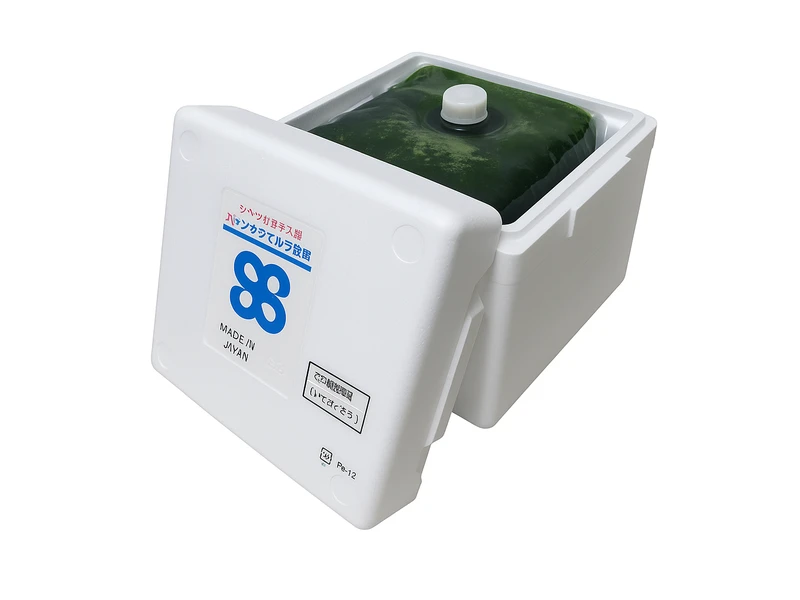
#약 130억 세포/ml#DHA · EPA · B12