
孵化场协议
丰年虫卵孵化与操作手册
一步步的科学指南,助力实现 ≥ 85% 的孵化率、最大化的无节幼体生物量,以及为海洋幼体提供清洁的分离效果。
25 – 35 ppt (g/L)28 – 30 °C (82–86 °F)强力底部曝气2,000 勒克斯持续光照
最佳孵化参数
要获得稳定的高孵化率,必须严格控制锥形孵化桶内的环境条件。
盐度
25 – 35 ppt (g/L)
使用天然海水或人工海盐。低盐度会延长孵化时间。
水温
28 – 30 °C (82–86 °F)
保持恒定温度。低于 25 °C 的温度会大幅降低孵化速度。
持续曝气
强力底部曝气
保持丰年虫卵处于持续悬浮状态。避免虫卵沉淀形成死角。
光照强度
2,000 勒克斯持续光照
在水化前2个小时内,光照会触发胚胎发育机制。
从罐装到显微镜
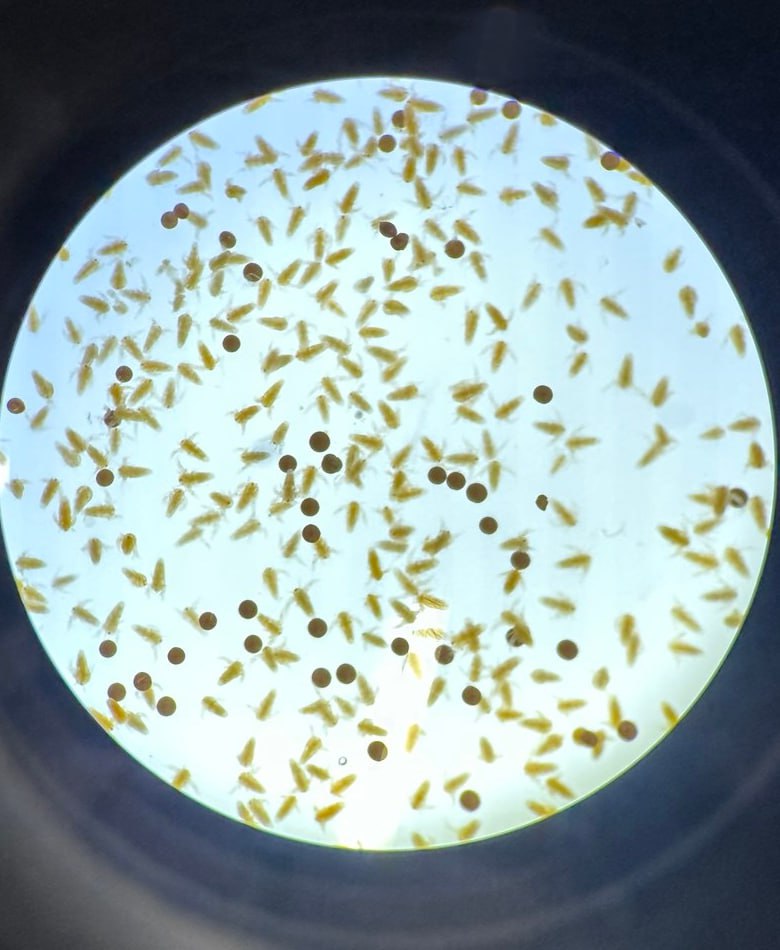
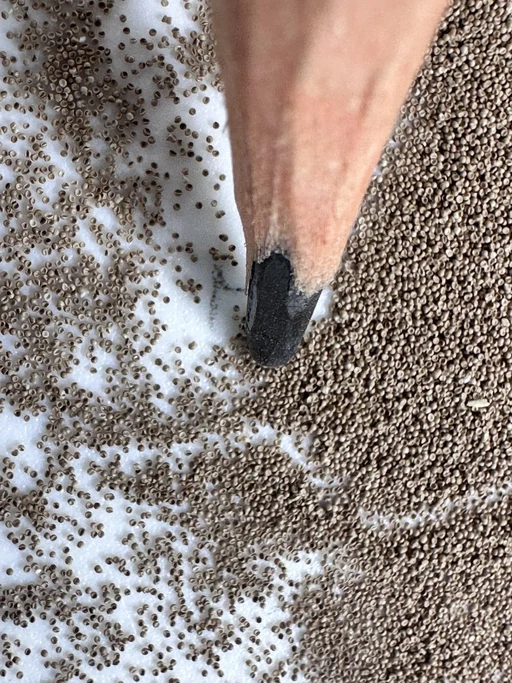
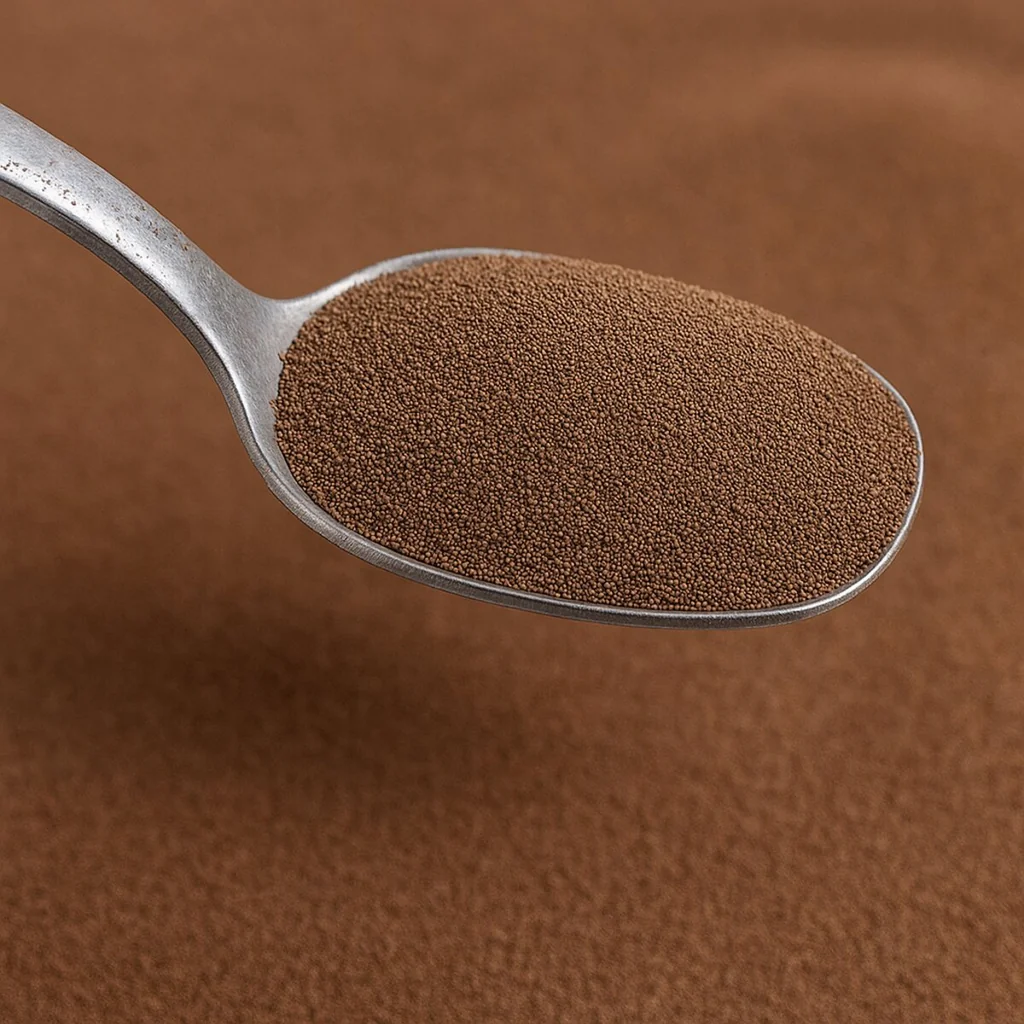
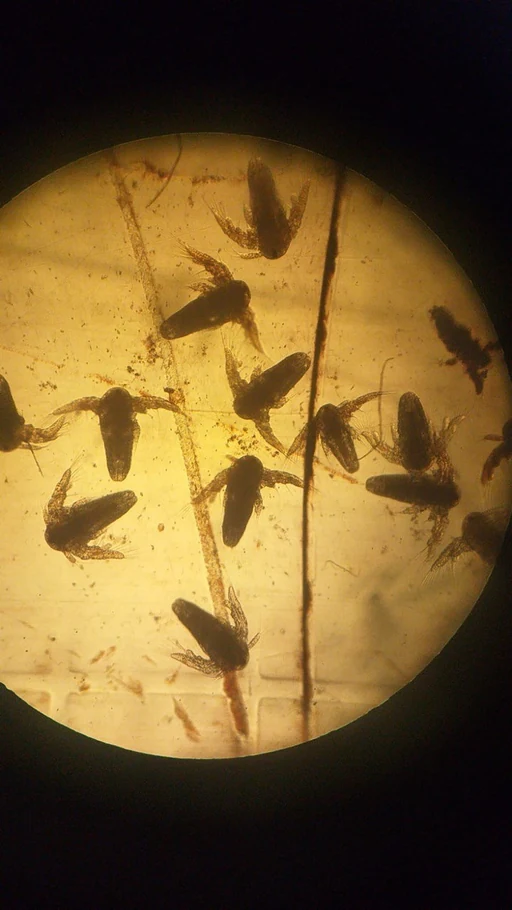
与客户每天孵化的完全相同的 Revive 卤虫卵——出货时的状态、称量时的状态,以及 24 小时后无节幼体在实验室显微镜下的样子。
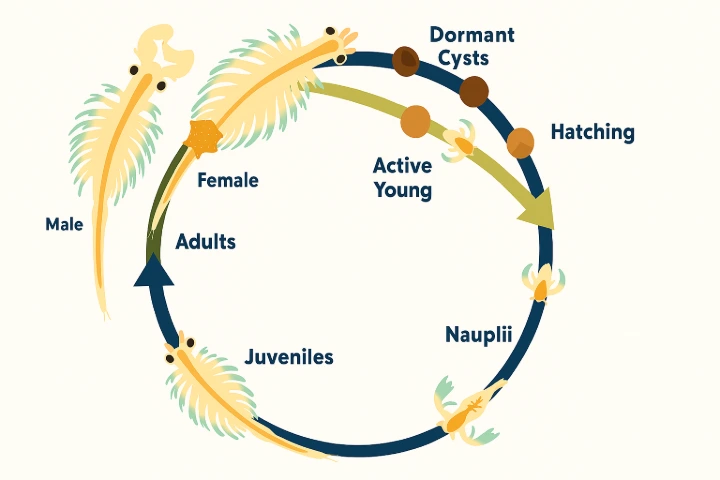
一个生活史,两种生存策略
在高盐度、低溶氧等胁迫条件下,雌性卤虫会产生休眠卵,这些卵在干燥状态下可存活数年。在适宜的光照、温度和盐度下复水后,每颗卵会在 24–48 小时内孵化为无节幼体,经幼体各期蜕皮后长成成体,生活史由此重新开始。
上述孵化参数正是为这一生物学机制而设:它们重建了让休眠卵判断可以安全苏醒的条件。
阅读完整的干卤虫卵指南 锥形反应器流场
最佳孵化锥形桶动力学
盐度 25 – 35 ppt
维持渗透压平衡,使胚胎快速吸水。
28 – 30 °C 恒温
确保 20–24 小时同步孵化速率。
底部曝气柱
防止卵沉降及桶角出现死水区。
4-Step Hatchery Operating Procedure
01
消毒与预水化
在转移至盐水前,将干燥的丰年虫卵在 20–25 °C 的清洁淡水中浸泡 30 分钟。
02
锥形罐孵化
向锥形孵化罐中注满 30 ppt 的盐水。以每升最高 2 克的密度加入丰年虫卵。
03
收获与分离
20–24 小时后关闭曝气。无节幼体向底部的光源游动,而空壳则漂浮到水面。
04
冷藏与营养强化
彻底冲洗收获的无节幼体。储存在冷冻海水 (4–6 °C) 中,或使用绿宝石小球藻进行营养强化。
先在 20–25 °C 的洁净淡水中水化约 30 分钟,随后在锥形容器中以盐度 25–35 ppt、水温 28–30 °C、强曝气和约 2,000 勒克斯连续光照孵化,投卵密度不超过每升 2 克。无节幼体在 20–24 小时后可收集。低于 25 °C 时孵化明显变慢。完整孵化规程
Revive 丰年虫卵按不低于 85% 的孵化率供货,并经批次检测确认。该数值以产品所规定的孵化条件为前提:盐度 25–35 ppt、水温 28–30 °C、强曝气与连续光照。在此范围之外孵化,结果会低于保证值,原因与卵本身无关。孵化指南
20–24 小时后关闭曝气,静置数分钟:无节幼体会朝锥体底部的光源游动,空壳与未孵化的卵则上浮。从底部抽出无节幼体,充分冲洗后投喂,或存于 4–6 °C 的冷海水中。进入育苗池的壳屑既是生物安全隐患也会造成堵塞,冲洗的重要性正在于此。
阴凉、干燥、密封保存。真空包装罐无需冷藏即可保持孵化质量,长途供货采用这一形式正是出于此。开罐后请保持密闭干燥——降低孵化力的是潮气和反复接触空气,而不是货架上的时间。
丰年虫卵装入真空密封罐(零售及小型育苗场规格为 500 克和 1 公斤),再装箱发运。真空密封正是这些卵不依赖冷链也能长期保存的原因,因此包装属于产品规格的一部分,而不仅仅是运输防护。
如果需要活体游动的无节幼体,且具备整日维持曝气、光照与盐度的孵化设施,选择带壳的普通卵;如果希望直接投喂,选择去壳卵。去壳卵无壳,分析值为蛋白质 61.0%、脂质 24.5%、502 千卡/100 克,而普通卵为蛋白质 45–52%、脂质 10–14%,因为没有能量耗费在孵化上。对比两种形式