
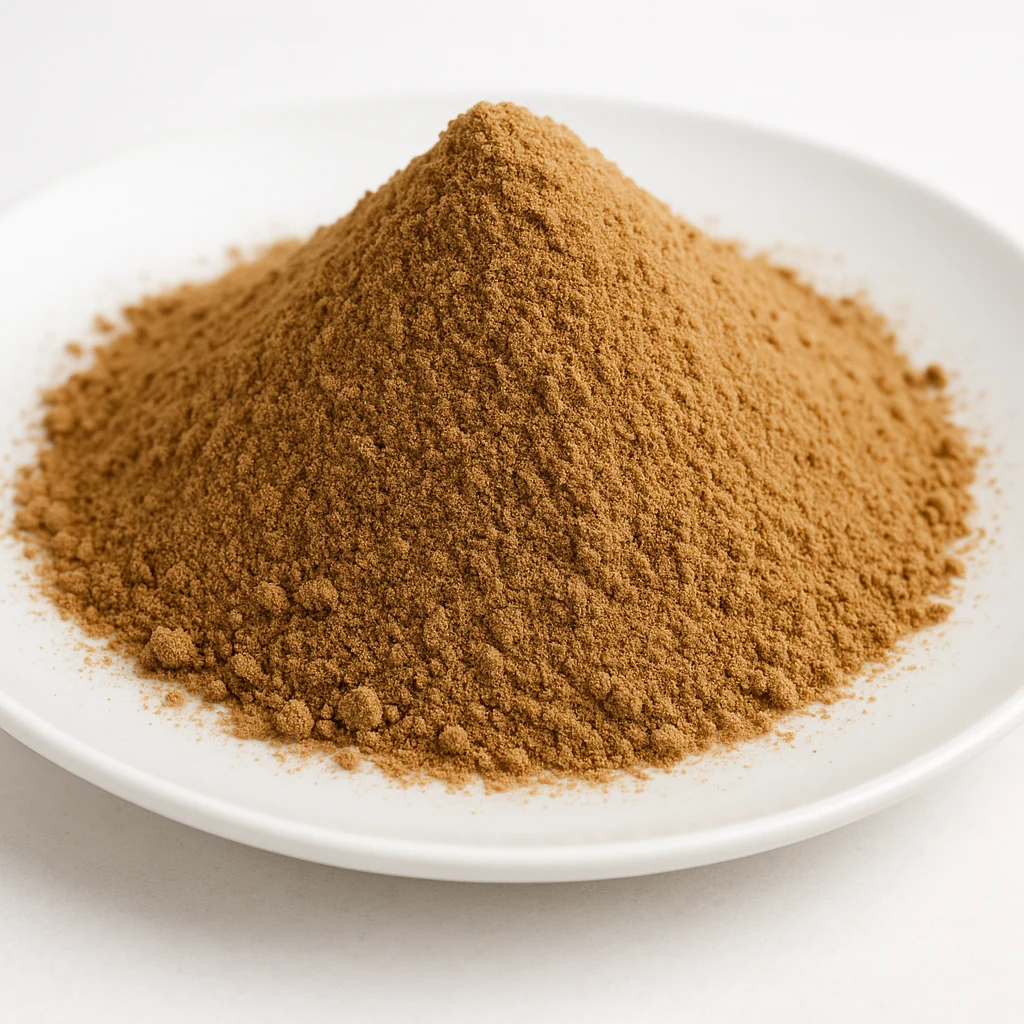
优质鱼粉质量分级与TVN指标解析:育苗开口料与消化吸收率

TSTechnical Services·September 5, 2026·8 分钟阅读
优质鱼粉质量分级与TVN指标解析:育苗开口料与消化吸收率

In the production of high-performance aquafeeds, particularly micro-diets for early-stage marine fish fry and shrimp larvae, fish meal remains the benchmark gold-standard protein source. It delivers an optimal essential amino acid profile, balanced omega-3 long-chain polyunsaturated fatty acids (EPA and DHA), bioavailable phosphorus, and natural feeding attractants. However, commercial fish meal is far from a uniform commodity. The biological value of a consignment depends entirely on raw material freshness, thermal drying technology, and post-production stabilization.

Feeding low-grade or decomposed fish meal to early-stage teleost larvae (such as Sea Bass, Sea Bream, or Salmon fry) triggers gut enteritis, gizzard erosion, severe immunosuppression, and batch mortality. For feed mill formulators, hatchery procurement managers, and commercial operations purchasing bulk Fish Meal, understanding chemical quality markers—primarily Total Volatile Basic Nitrogen (TVN), histamine concentrations, and low-temperature (LT) processing—is vital for ensuring biological safety and performance.

Raw Material Processing Thermodynamics: Flame-Dried vs LT-94

The manufacturing methodology dictates protein bioavailability and nutritional integrity:

``` +-----------------------------------------------------------------------------------+ | THERMAL PROCESSING PROCESSING SPECTRUM | +-----------------------------------------------------------------------------------+ | FLAME-DRIED (Standard FAQ Meal) | | -> Direct combustion gases contact wet meal cake at 300 °C to 500 °C | | -> Severe scorching, heat damage to lysine, high gizzerosine formation | +-----------------------------------------------------------------------------------+ | STEAM-DRIED (Standard SD Grade) | | -> Indirect steam-jacketed rotary disc dryers at 95 °C to 105 °C | | -> Moderate thermal degradation; acceptable for adult grow-out feeds | +-----------------------------------------------------------------------------------+ | LOW-TEMPERATURE (LT-94 Grade) | | -> Indirect vacuum or warm-air drying maintained strictly beneath 70 °C | | -> Preserves native protein conformation and digestible essential amino acids | +-----------------------------------------------------------------------------------+ ```

The Mechanism of Thermal Damage: Gizzerosine and Lysine Cross-Linking

When pelagic fish (anchovy, sardine, herring) containing free histidine undergo bacterial spoilage prior to processing, histidine decarboxylates into histamine. When this histamine-rich raw material is subjected to the intense heat of standard flame-drying (> 120 °C), the histamine reacts with free epsilon-amino groups of lysine residues to synthesize gizzerosine (2-amino-9-(4-imidazolyl)-7-azanonanoic acid).

Gizzerosine is an extremely potent toxic compound that hyper-stimulates histamine $H_2$ receptors in the gastric mucosa, triggering massive hyper-secretion of hydrochloric acid. In teleost larvae and juvenile finfish, this results in: - Severe gastric mucosal erosion, ulceration, and black vomit syndrome. - Epithelial sloughing of the pyloric caeca and midgut. - Complete disruption of nutrient absorption, accompanied by rapid fry mortality.

Consequently, premium hatchery micro-diets and juvenile starter feeds mandate LT-94 Low-Temperature Fish Meal, where drying temperatures never exceed 70 °C, ensuring zero gizzerosine synthesis and preserving heat-sensitive amino acids.

Chemical Quality Markers: TVN, Histamine, and Biogenic Amines

The biochemical evaluation of fish meal relies on quantifiable degradation metrics that reflect the time elapsed between raw fish harvest and factory cooking:

Total Volatile Basic Nitrogen (TVN / TVB-N)

TVN measures the combined atmospheric distillation of basic volatile nitrogen compounds—primarily ammonia ($\text{NH}_3$), dimethylamine (DMA), and trimethylamine (TMA)—produced by endogenous autolytic enzymes and microbial spoilage:

$$\text{TVN} = \text{mg Nitrogen} / 100\text{g fish meal}$$

  • Freshness Correlation: Pelagic fish processed within 12 hours of harvest typically exhibit raw tissue TVN beneath 15–20 mg N/100g, yielding finished fish meal with TVN between 18 and 30 mg N/100g.
  • Spoilage Cutoff: When raw fish sits unchilled in boat holds for days, bacterial proteolysis elevates TVN beyond 40–50 mg N/100g. Meal produced from such raw material exhibits poor palatability, degraded amino acid bioavailability, and high toxicity to sensitive fry.

Biogenic Amine Toxicity Thresholds

Chemical ParameterPremium Hatchery Grade (LT-94)Standard Fair Average Quality (FAQ)Low-Grade / Decomposed MealAnalytical Testing Method
Total Volatile Basic Nitrogen (TVN)< 28 – 35 mg N / 100g40 – 55 mg N / 100g> 60 mg N / 100gKjeldahl steam distillation
Histamine Concentration< 500 ppm (mg/kg)500 – 1,000 ppm> 1,500 ppmHigh-Performance Liquid Chromatography (HPLC)
Cadaverine + Putrescine< 1,000 ppm1,000 – 2,000 ppm> 2,500 ppmHPLC biogenic amine panel
Crude Protein Content (% DM)68.0% – 72.0%64.0% – 66.0%< 62.0%Combustion Dumas method
Crude Fat / Lipids (% DM)8.0% – 10.5%9.0% – 12.0%> 13.0% (Risk of oxidation)Soxhlet ether extraction
Total Ash (% DM)10.0% – 13.0%14.0% – 17.0%> 18.0%Muffle furnace combustion at 550 °C
Moisture Content6.0% – 9.0%6.0% – 10.0%> 11.0% (Mould risk)Desiccation oven at 105 °C

Protein Digestibility: Standard vs Torry Pepsin Assays

Gross crude protein figures on a specification sheet can be deceptive. A high protein percentage derived from heat-damaged, cross-linked meal offers little biological value. To assess true bioavailability, laboratories utilize the Pepsin Digestibility Assay:

The Concentration Trap: 0.2% vs 0.0002% Pepsin

  • Standard AOAC Method (0.2% Pepsin): This legacy assay uses an unnaturally high concentration of porcine pepsin in hydrochloric acid. Because the enzyme bath is so aggressive, it digests almost all animal proteins—including hair, scales, and scorched feathers—consistently yielding digestibility figures > 92%, even on low-grade meals.
  • Torry Method (0.0002% Dilute Pepsin): Pioneered by the Torry Research Station (Aberdeen), this assay utilizes a dilute pepsin solution ($1:500,000$ enzyme-to-substrate ratio) that accurately mimics the mild enzymatic conditions within a juvenile fish stomach.

Only a dilute pepsin assay can distinguish between high-temperature scorched meal and premium LT-94 meal:

$$\text{LT-94 Torry Pepsin Digestibility} \ge 94.0\% \quad \text{vs} \quad \text{Standard Flame-Dried} \approx 80.0\% - 84.0\%$$

High digestibility translates directly into accelerated larval growth, synchronized development, and reduced nutrient excretion into the culture water. To source certified, high-digestibility ingredients, browse our complete feed additives and hatchery raw materials.

Lipid Oxidation Control: Ethoxyquin vs Natural Antioxidants

Fish meal contains between 8% and 12% marine lipids rich in highly polyunsaturated fatty acids (EPA and DHA). These fatty acids possess multiple double bonds vulnerable to spontaneous free-radical autoxidation upon contact with atmospheric oxygen.

Unstabilized fish meal experiences rapid exothermic oxidation, creating a severe fire hazard during sea transport and generating toxic lipid peroxides, aldehydes, and secondary polymers that destroy vitamins A and E in the fish gut:

1. Synthetic Stabilization (Ethoxyquin / BHT): Traditionally dosed at 300–400 ppm at the manufacturing plant. While effective at suppressing oxidation during bulk transoceanic shipping, ethoxyquin residues are increasingly restricted in EU aquaculture markets. 2. Natural Stabilization (Mixed Tocopherols & Rosemary Extract): Modern premium grades utilize food-grade natural antioxidant blends dosed at 600–1,000 ppm. This ensures clean label compliance while maintaining Peroxide Values (POV < 5 meq/kg) and Anisidine Values (AV < 15) throughout transport and storage.

Aquaculture Terminology & Technical Definitions

  • Anisidine Value (AV): A chemical measure of secondary lipid oxidation products (chiefly 2-alkenals and 2,4-dienals) in fish oils and meals.
  • Biogenic Amines: Nitrogenous organic bases formed by the microbial decarboxylation of free amino acids during raw fish decomposition (including histamine, cadaverine, putrescine, and tyramine).
  • Gizzerosine: A potent gizzard and gut toxin formed through the high-temperature reaction of histamine with lysine in spoiled, flame-dried fish meal.
  • LT-94 Fish Meal: A premium low-temperature manufactured fish meal dried beneath 70 °C, ensuring minimum 94% Torry pepsin digestibility.
  • Peroxide Value (POV): A chemical titrimetric measure of primary lipid hydroperoxides formed during the early stages of fat oxidation.
  • Total Volatile Basic Nitrogen (TVN): A composite measure of volatile alkaline nitrogen compounds produced by bacterial breakdown, serving as the primary global indicator of raw fish freshness. Review our complete aquaculture terminology glossary for further technical explanations.

Scientific References

  • Pike, I. H., & Hardy, R. W. (1997). Standards for assessing quality of fishmeals. In: Proceedings of the World Aquaculture Society, WAS, Baton Rouge, LA.
  • Barlow, S. M., & Windsor, M. L. (1984). Fishery by-products: International standards and quality control for fish meal and oil. FAO Fisheries Technical Paper No. 198, FAO, Rome.
  • Opstvedt, J., Aksnes, A., Hope, B., & Pike, I. H. (2003). Efficiency of feed utilization in Atlantic salmon (*Salmo salar*) fed diets with low-temperature processed fish meal. Aquaculture, 221(1-4), 365-379.
  • Masumura, T., Sugahara, M., Noguchi, T., Kamata, K., & Naito, H. (1985). The effect of gizzerosine, a compound found in heated fish meal, on the gizzard erosion and growth of chicks. Japanese Poultry Science, 22(3), 115-120.
  • Loretz, C. A., & Pollack, B. A. (1999). Bioavailability of lysine and essential amino acids in teleost diets: influences of fish meal processing temperatures. Aquaculture Research, 30(8), 587-598.
技术咨询项目

3 天内轮虫生物量最高提升 8 倍

由我们的饵料专家审查贵场现有的轮虫与丰年虫孵化流程,并为您定制 SV12 小球藻试验方案。

分享:
Featured Products Mentioned

Featured Aqua Inputs & Export Solutions

Explore premium live feed concentrates, salmonid ova, and certified seafood exports referenced in this article.

Explore Product Catalog
鱼粉
饲料添加剂

高蛋白、高消化率的海洋原料,对水产养殖的最佳生长、健康和饲料效率至关重要。

≤ 10%
水分
55–65%
蛋白质
#蛋白质 55-65%#可持续来源
谷朊粉
饲料添加剂

优质粘合剂和植物蛋白源,优化颗粒稳定性、质地和营养输送。

150%
吸水率
~82%
蛋白质
#蛋白质 ≥ 82%#吸水率 ≥ 150%
马铃薯蛋白粉
饲料添加剂

优质植物浓缩蛋白,具有极佳的消化率和均衡的氨基酸组成。

≥ 76%
蛋白质
92%
消化率
#蛋白质 ≥ 76%#消化率 92%