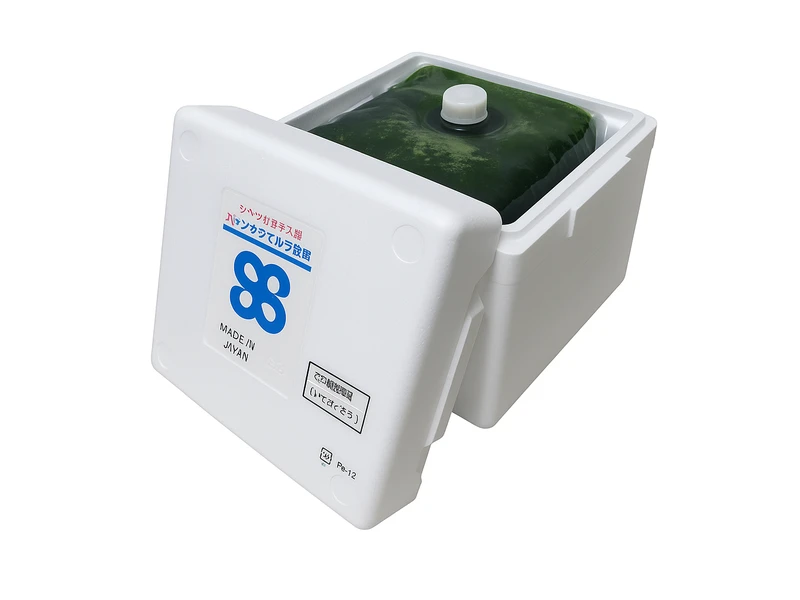
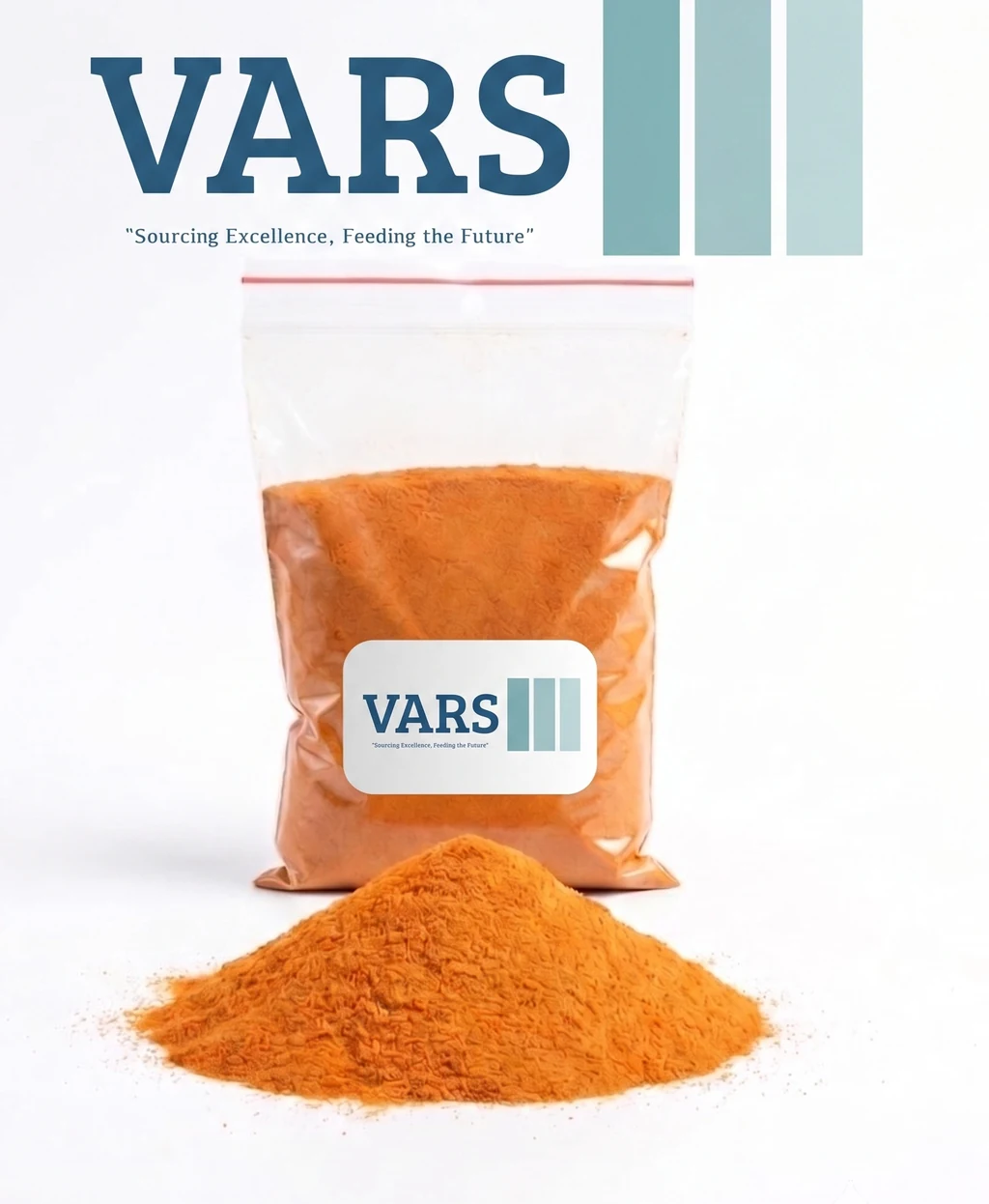
Shell-free Artemia and decapsulated Artemia fish fry feed are descriptive terms for products with the outer cyst shell removed. Decapsulated Artemia can be useful in aquarium breeding and commercial hatcheries, but the product form and the animal's feeding stage matter. Before ordering Decapsulated Dry Artemia Cysts, establish whether the batch is intended for direct feeding or for hatching. Removing the shell does not mean that a dried feed will hatch.
Shell removal and hygiene
Decapsulation removes the outer shell. This avoids introducing that shell into the rearing tank, where ingested empty shells or unhatched intact cysts can obstruct the gut. It is not a guarantee against every digestive problem or pathogen. Processing hygiene, subsequent handling and storage still matter.
Chemical decapsulation is a separate hatchery operation from preparing a purchased, ready-to-feed product. Do not improvise chemical treatment of commercial feed. Obtain its preparation instructions and batch documentation from the supplier.
Energy content and feed acceptance
The FAO manual reports higher individual dry weight and energy content for decapsulated cysts than for freshly hatched nauplii. The comparison depends on strain and refers to individual organisms; it does not establish a fixed energy advantage per gram of every packaged product.
Decapsulated cysts do not swim. Some larvae respond better to moving prey, so particle size alone does not establish suitability. Compare the feeding response with Artemia Cysts used to produce live nauplii, and consult the incubation guide when hatching is required.
| Question | Direct-feed product | Live nauplii |
|---|---|---|
| Preparation | Follow the product's feeding instructions | Hatch, separate and rinse under the hatchery protocol |
| Acceptance | Confirm that the species takes non-moving particles | Check prey size and developmental stage |
| Handling | Limit moisture exposure during storage | Manage the interval between harvest and feeding |
Preparing and feeding a batch
Use clean equipment and prepare a small amount for a supervised feeding trial. If hydration is specified, follow the supplier's water and soaking instructions; a universal soaking time is not established here. Observe suspension, ingestion and uneaten particles. Adjust the ration to the animals' response and the rearing system, rather than assuming that a volume of dried product equals a volume of live feed.
Remove accumulated uneaten feed and monitor water quality. Shell removal does not make overfeeding harmless. Record the product, batch, preparation method and response so subsequent deliveries can be compared.
What to request before ordering
Ask for intended use, particle size, composition with its analytical basis, storage conditions, shelf life and available batch tests. For a hatching product, request its hatching specification separately. Compare suitable options in the live-feed catalogue; definitions are available in the aquaculture glossary.