
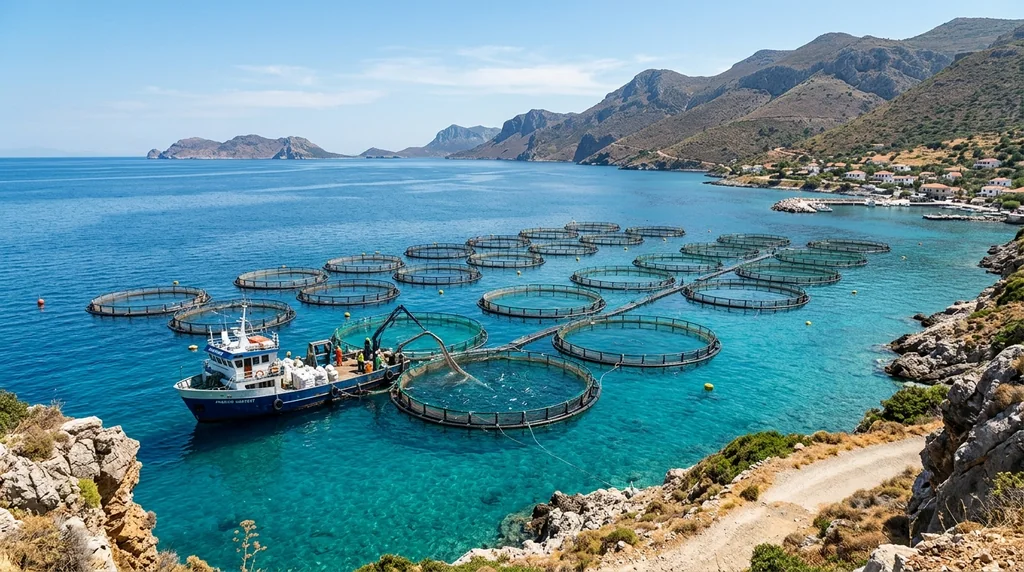
Meagre (Argyrosomus regius) and brown meagre (Sciaena umbra) are different species. Their similar English names are not interchangeable purchase specifications. This guide concerns farmed A. regius; S. umbra appears to clarify the distinction. Use the scientific name when checking an offer in the seafood catalogue.
Confirm the species before comparing offers
Commercial names vary between markets. Confirm that the scientific name on the quotation, product documentation and label refers to the fish being supplied. The VARS Meagre product entry identifies Argyrosomus regius. A similar common name is not evidence of equivalent biology, supply or processing yield.
| Purchase detail | What to establish | Why it matters |
|---|---|---|
| Species | Scientific name and market designation | Prevents substitution through ambiguous names |
| Product form | Whole, gutted, fillet or steak | Makes price and yield comparisons meaningful |
| Size | Agreed weight band and grading basis | Supports processing and portion planning |
Farming performance depends on conditions
The FAO species account describes meagre culture and the importance of seasonal temperature to growth and feeding. A published production example is not a guaranteed result for another farm. Review stock, temperature history, stocking, feed and site conditions together.
For farm planning, request the producer's records for the relevant size range and production system. Define feed conversion and growth calculations consistently before comparing figures. Trial-specific feed composition, oxygen or current measurements should not be presented as universal operating limits.
Flesh quality and processing
Assess the delivered product rather than assigning one nutritional table to every meagre batch. Fish size, feed, production conditions and the sampled product form affect comparisons. A raw fillet result must not be substituted for a cooked portion or a whole fish analysis.
Agree whether a fillet is skin-on, boneless and trimmed, and identify the starting material for any yield calculation. Request processor trials or representative samples when calculating portions and purchasing cost. Fixed fillet percentages without a defined cut and size range can distort that calculation.
Discuss the intended kitchen use with the processor. Chilled appearance alone does not establish suitability for raw service; the product specification and applicable food-safety controls must address the intended use.
Packaging and export planning
Specify the chilled or frozen form, pack size, handling conditions and receiving requirements. Confirm the document set for the destination and consignment; do not assume every shipment requires the same EU paperwork. Agree how temperature information and any receiving discrepancies will be recorded.
Review seafood export services and send the sales desk the species, form, size, quantity, destination and delivery needs. For technical terms such as feed conversion and fillet yield, use the aquaculture glossary.