Every hatchery manager knows that rotifers are the backbone of larval rearing. Their density, nutritional value, and stability can significantly impact a hatchery cycle. Yet, achieving consistently high rotifer yields remains a challenge worldwide.
Recent trials at leading hatcheries have shown something remarkable: replacing traditional feed with fresh Chlorella (SV12) alone can increase rotifer yields up to eight times compared to traditional methods. This isn’t theory — it’s real-world performance.
Why Rotifers Struggle Without the Right Nutrition Rotifers multiply rapidly, but only when their diet is rich, stable, and easily digestible. Conventional feeds often lack the balance needed to sustain dense populations. Poor feed quality results in:
- Inconsistent population growth
- Lower nutritional profile for larvae
- High water pollution and unstable cultures
This is where fresh Chlorella makes a difference.
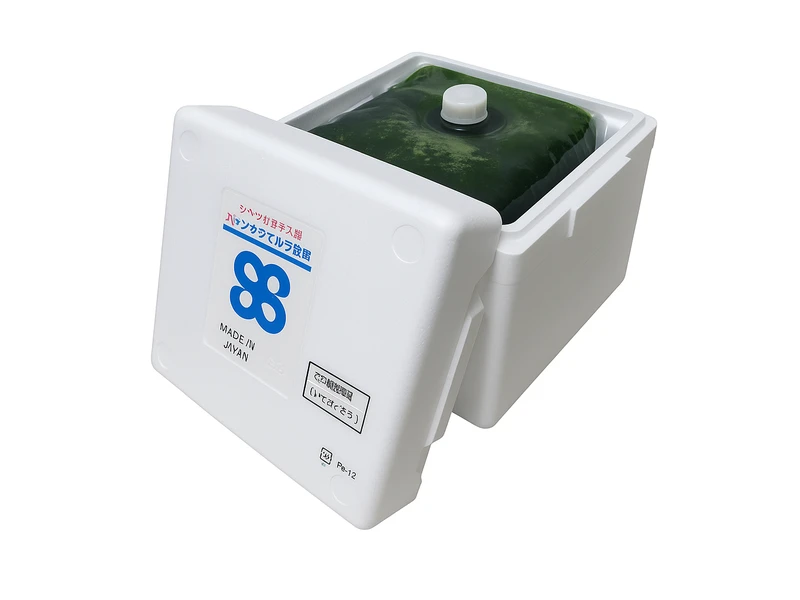
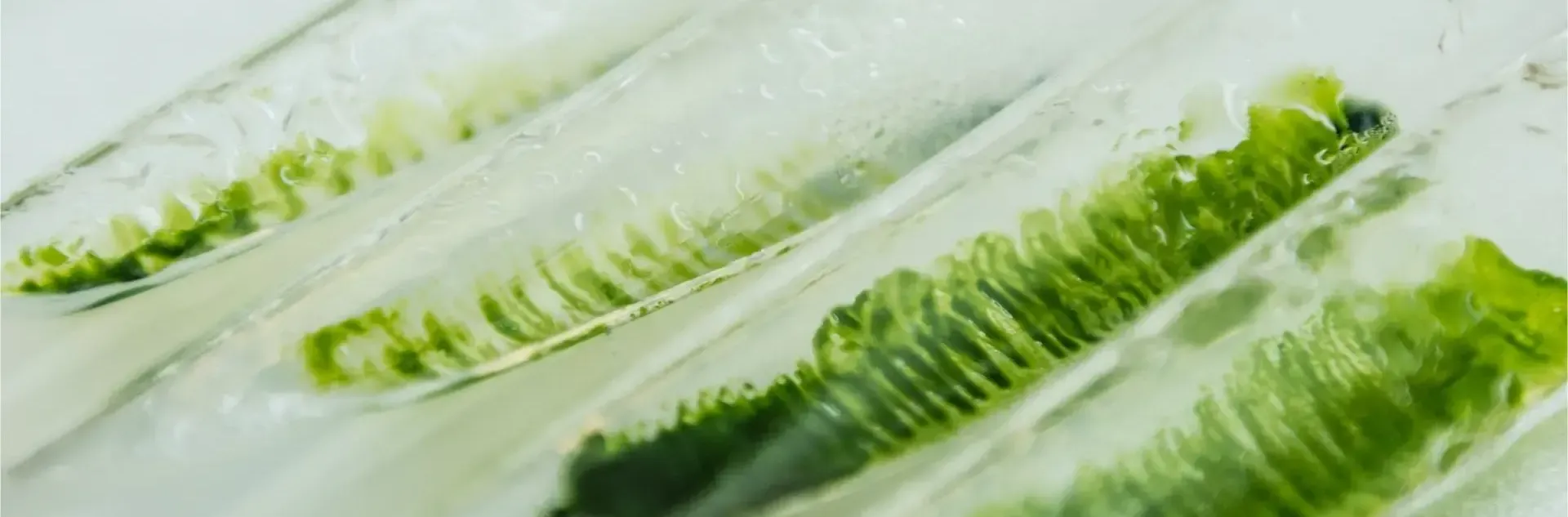
fresh Chlorella SV12: Designed for Hatchery Success Unlike dried powders or generic algae substitutes, fresh Chlorella SV12 is a live, nutrient-rich suspension optimized for aquaculture. Developed through years of R&D and applied in hatcheries across Europe and Asia, SV12 delivers:
- Higher cell viability for immediate uptake by rotifers
- Rich fatty acid and protein profile tailored to hatchery needs
- Clean, stable cultures that reduce contamination risks
When hatcheries replaced traditional feed with SV12, rotifer populations not only stabilized but also expanded exponentially.
Real-World Trial Data: 8x Yield Improvement In controlled hatchery trials, rotifers fed with fresh Chlorella SV12 achieved:
- Up to 8x higher rotifer densities compared to standard feeding regimes
- More uniform growth and reproduction cycles
- Enhanced nutritional transfer to fish larvae, resulting in higher survival rates
Why SV12 Works Chlorella SV12 provides the base nutrition rotifers actually feed on, ensuring they remain healthy and multiply rapidly — delivering higher cell viability, a richer fatty-acid and protein profile, and cleaner cultures than conventional feeds.
This is a distinct step earlier in the live-feed chain from Artemia cysts, which are hatched and fed directly to fish and shrimp larvae once they've outgrown rotifers — the two are complementary stages of a hatchery's feeding program, not a combined rotifer feed.
Sustainability and Efficiency Beyond yield, SV12 helps hatcheries cut costs and reduce waste. Higher survival rates mean less feed is wasted and less energy is spent restarting failed cultures. Hatcheries using SV12 have reported:
- Lower water exchange requirements
- Reduced contamination risks
- More predictable production cycles
Conclusion Rotifer cultures are the lifeline of hatcheries. By switching to fresh Chlorella SV12, hatcheries can achieve breakthrough results — up to an 8-fold improvement in rotifer yield, resulting in healthier larvae and more sustainable production.
At VARS Aquaculture, we supply SV12 as part of a complete hatchery nutrition strategy, backed by real data and field experience.
Contact us today to learn how SV12 can transform your hatchery’s rotifer production.