Un protocolo de alimento vivo no es una ficha técnica. Es un conjunto de hábitos prácticos: cómo dosificar, cuándo cosechar, qué aspecto tiene una malla filtrante en buen estado y cómo debe oler el agua; y los hábitos se transmiten mejor de persona a persona junto al mismo tanque.
Así llegó Super Fresh Chlorella V12 (SV12) a Turquía. En febrero de 2019, VARS llevó el protocolo de rotíferos SV12 al criadero de Kılıç en la costa del Egeo, trayendo consigo a los propios creadores del protocolo: ingenieros de Chlorella Industry Co., Ltd., el fabricante japonés que cultiva SV12 en su planta de Chikugo en Fukuoka.
El producto llega tal como salió de Japón
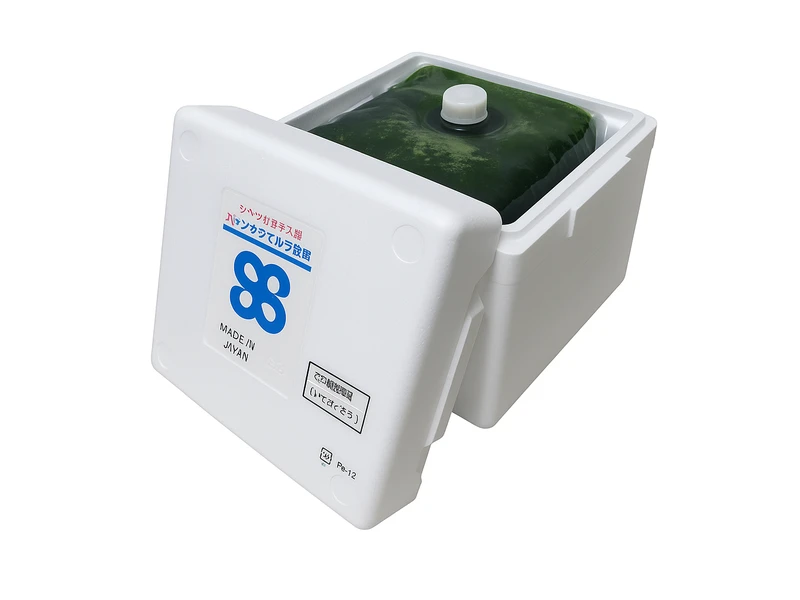
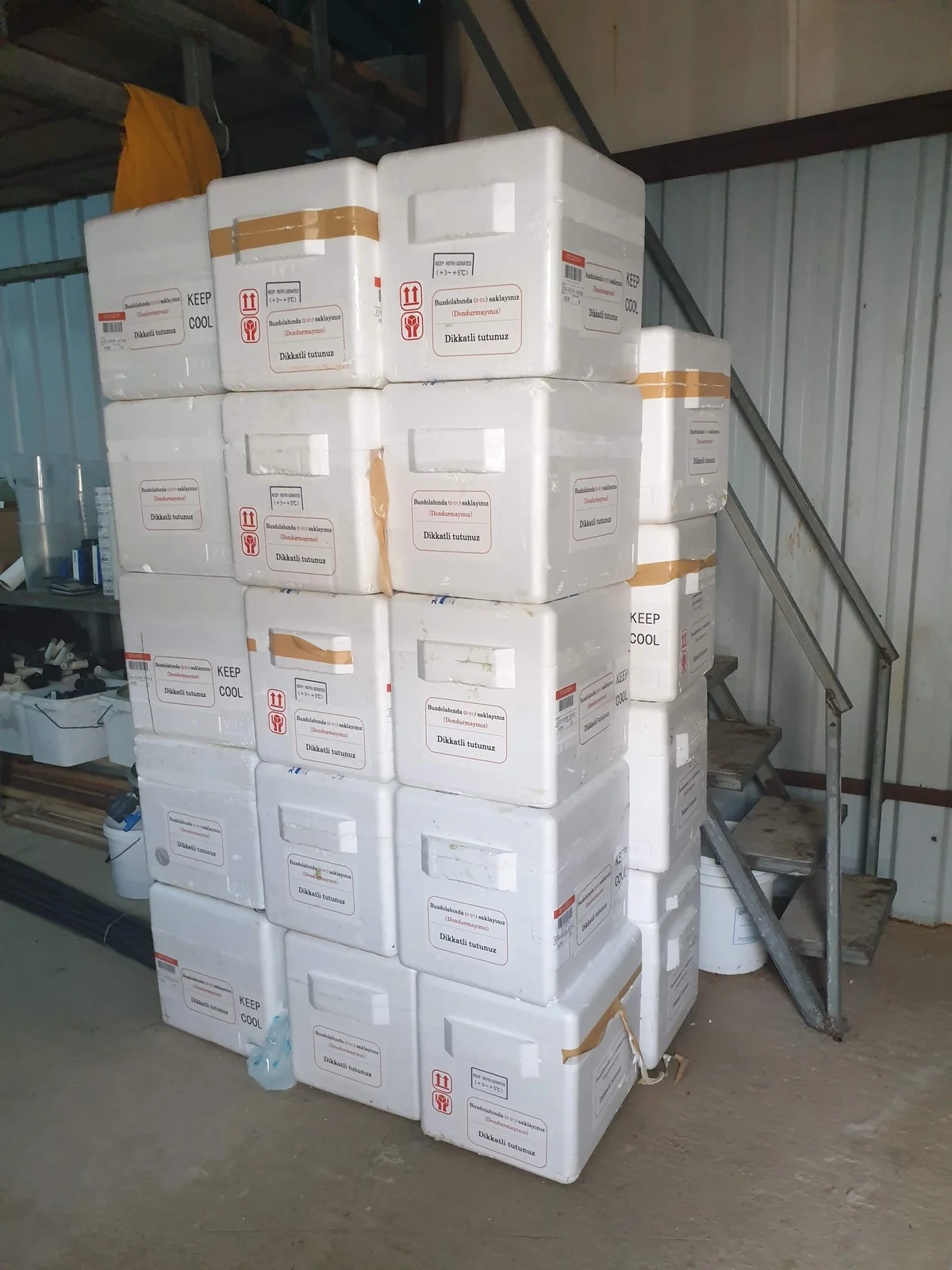
SV12 viaja desde Japón por vía aérea en cajas isotérmicas de poliestireno con acumuladores de frío, y llega al criadero con el etiquetado íntegro de la cadena de frío: mantener refrigerado, nunca congelar, manipular con cuidado.
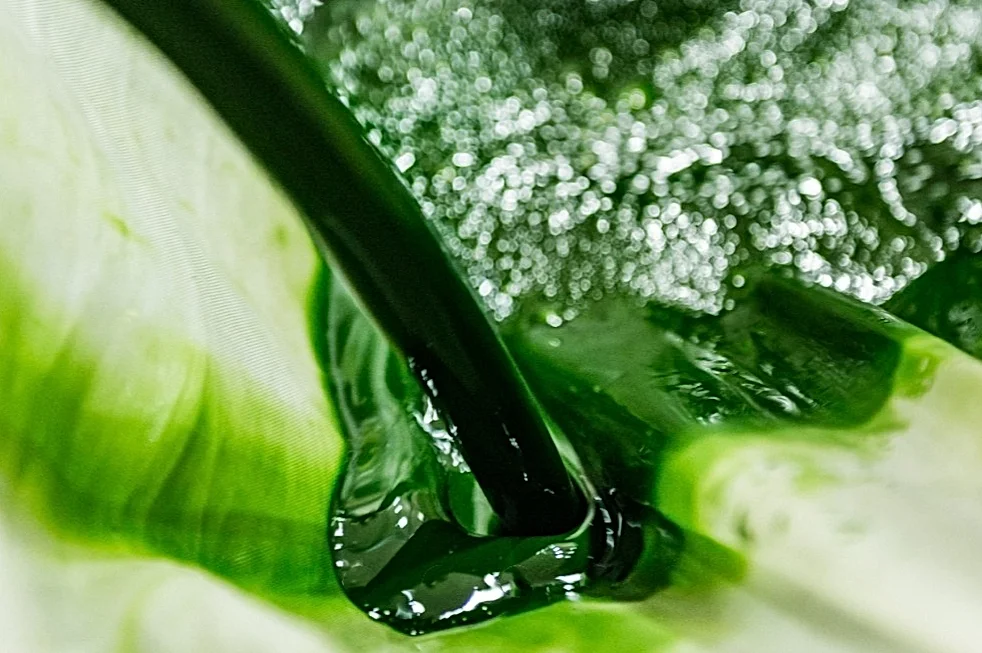
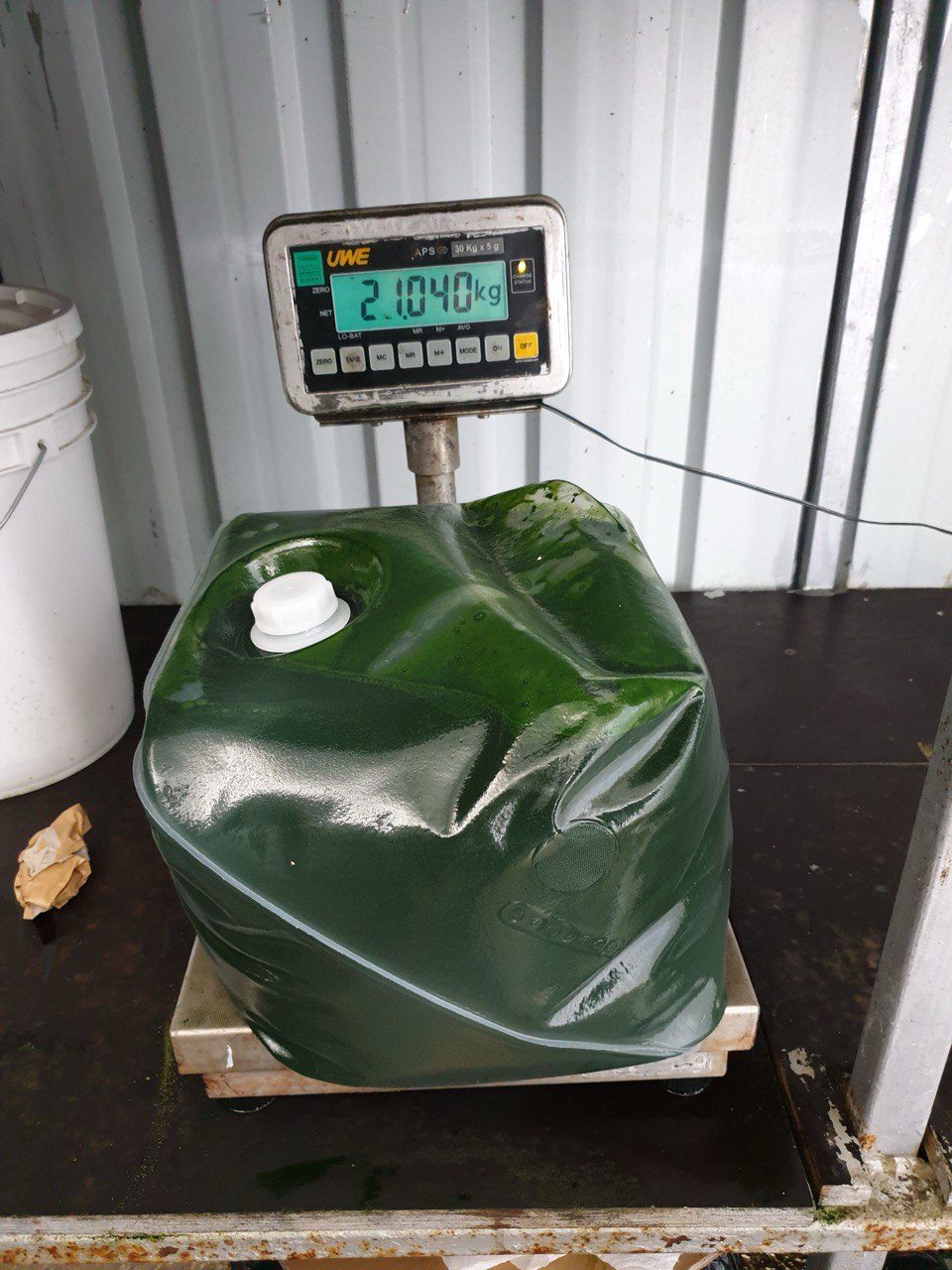
Dentro de cada caja hay una bolsa de concentrado vivo de Chlorella. Cada bolsa se pesa a la llegada (la báscula muestra 21,040 kg) antes de incorporarse a la rutina de rotíferos.
Aplicando el protocolo, tanque por tanque
La implementación consistió en aplicar la rutina completa de SV12 en las baterías de rotíferos de Kılıç: saturar los tanques en la siembra, dosificar de cuatro a seis veces al día a medida que aumentaba la densidad y evaluar el estado del cultivo tanto por los equipos como por los recuentos.
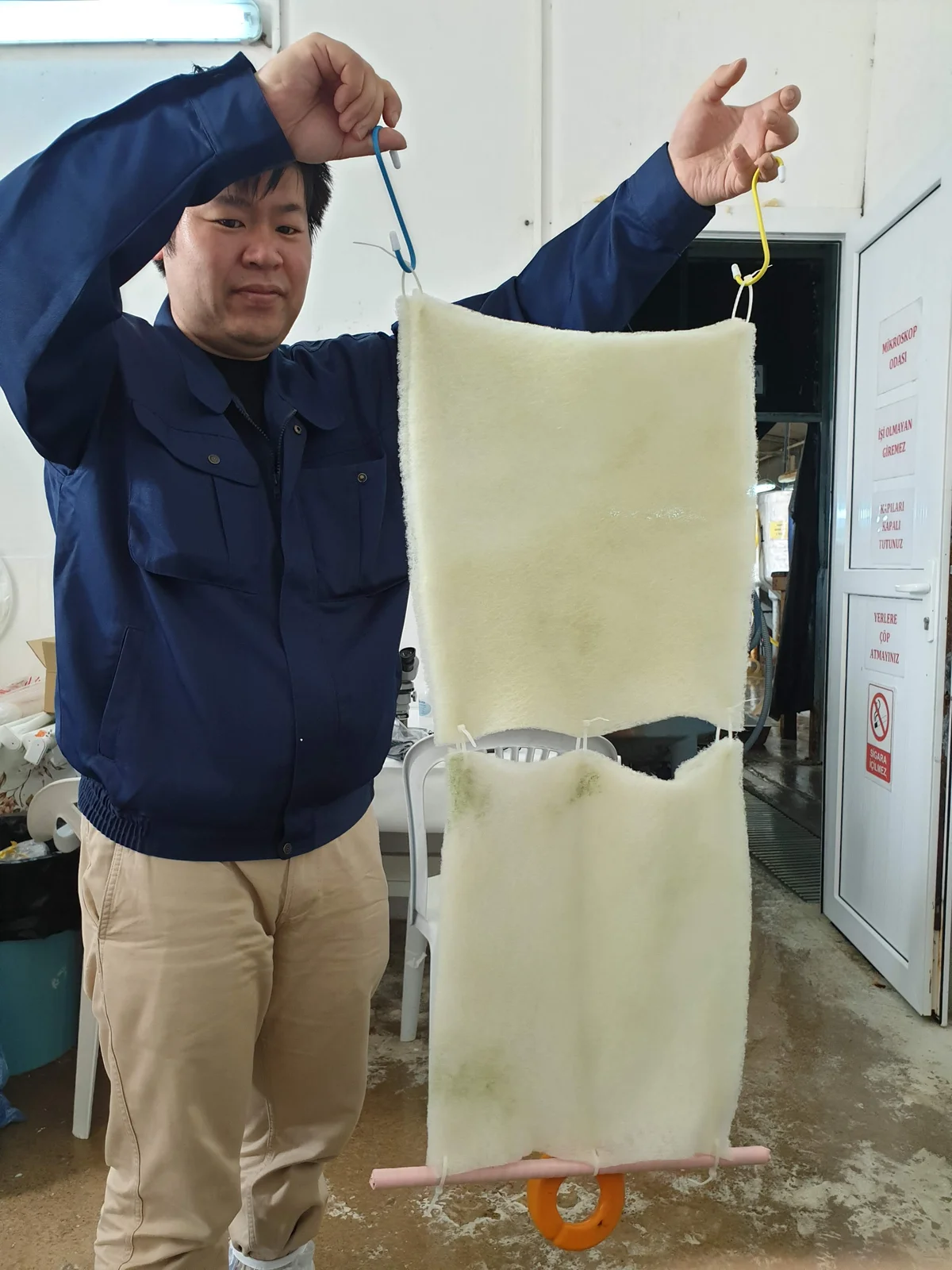
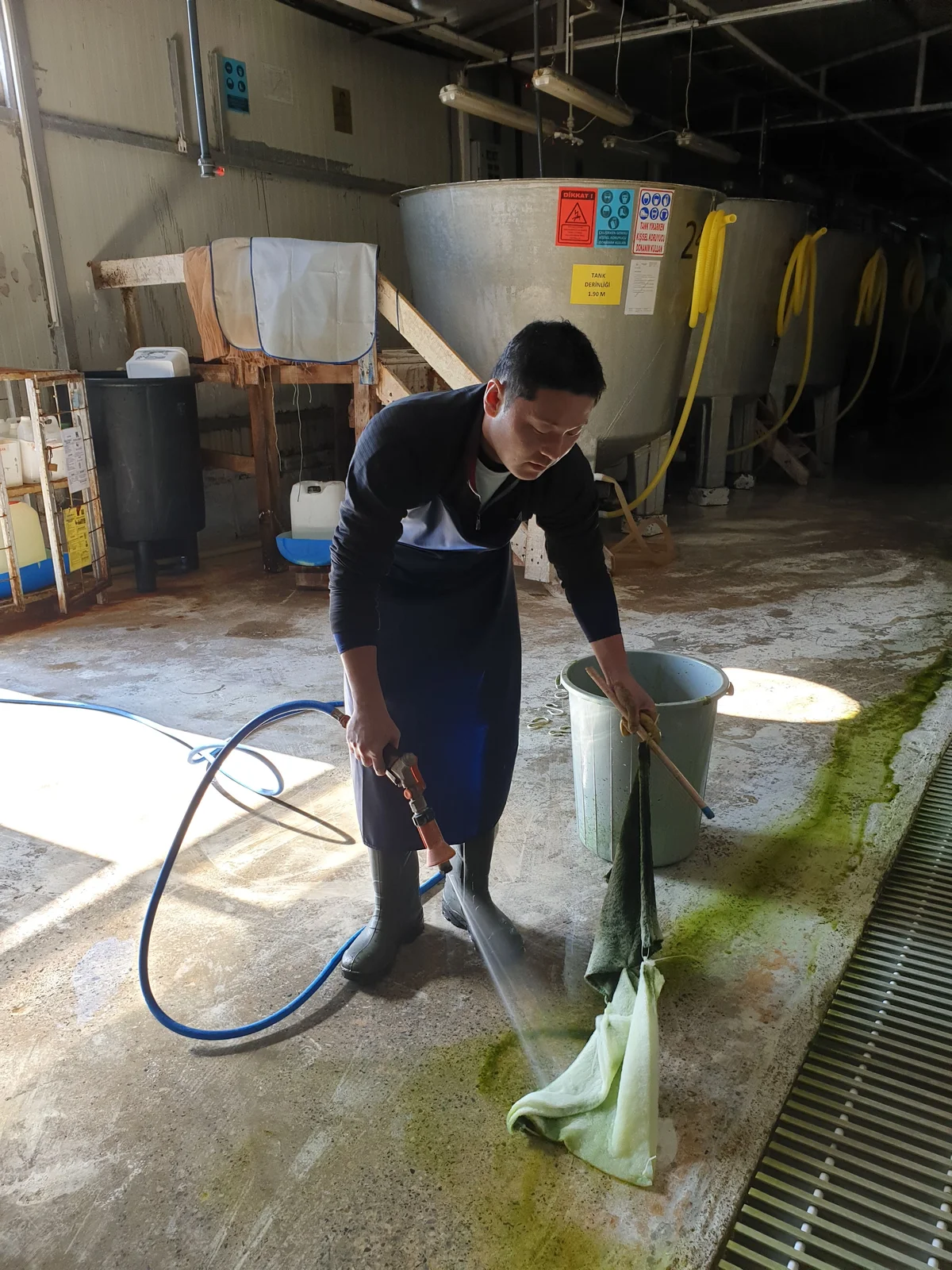
Uno de esos indicadores es la malla filtrante. Los ingenieros japoneses revisaban y lavaban las mallas entre ciclos; el patrón y el color del residuo de Chlorella indican a un técnico experimentado la uniformidad con la que se aprovecha el alimento.
A qué resultados condujo
La implementación de 2019 marcó el inicio de un programa que sigue en marcha desde entonces. Las pautas de dosificación transferidas aquel invierno se convirtieron en la rutina estándar de rotíferos en Kılıç, y los resultados son los que hemos publicado: densidades de rotíferos multiplicadas hasta por ocho en 72 horas con el protocolo SV12, con cultivos más estables y larvas más vigorosas. Los ensayos de seguimiento se detallan en nuestro informe previo sobre los ensayos del criadero de KılıçDeniz.
Hoy en día, el mismo protocolo y la misma cadena de frío desde Chikugo abastecen a criaderos en todos nuestros mercados. El perfil técnico completo del producto está disponible en nuestra guía de una balsa de cultivo japonesa a sus tanques de rotíferos.
Lleve el protocolo a su criadero
La visita que inició este estudio de caso puede reproducirse en sus instalaciones: un plan de pruebas dimensionado para sus tanques de rotíferos, un cronograma de dosificación y el apoyo de los especialistas que lo aplican a diario. Comience desde la página del producto SV12 o consulte el resto de nuestra cartera de proyectos.