
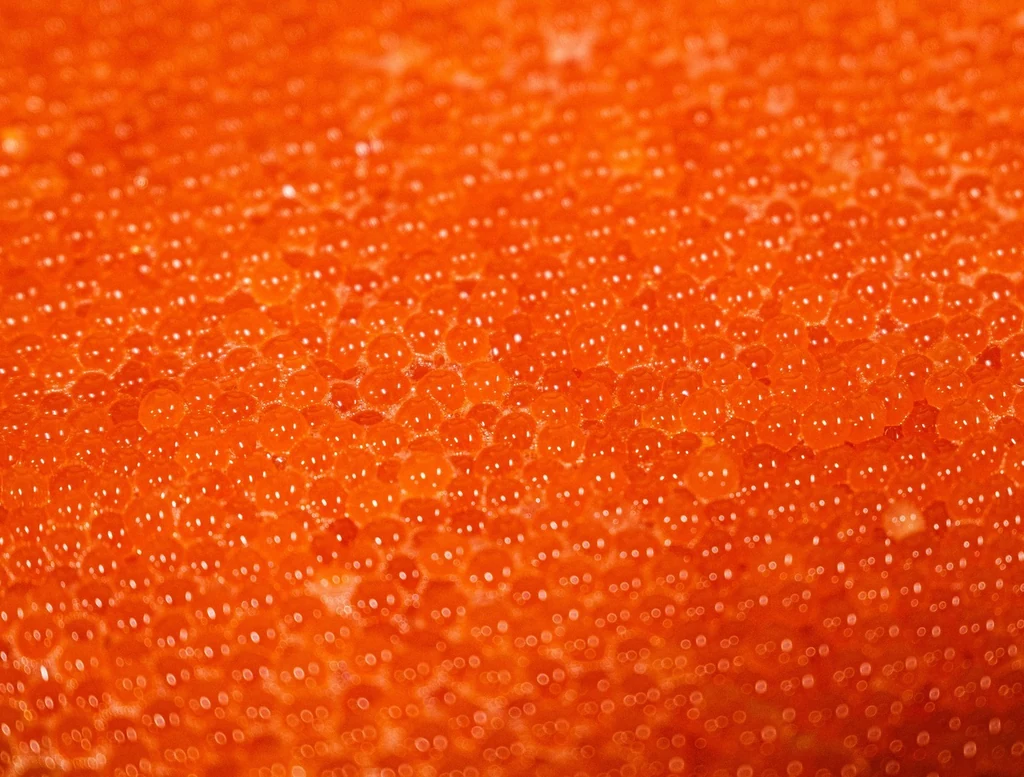
A hatchery schedule starts with the identity and history of the eggs. For Atlantic Fertilized Salmon Eggs and Coho Fertilized Salmon Eggs, request the species, fertilization date, temperature history and developmental stage. Do not apply one species' milestones automatically to another.
Using degree-days
Accumulated thermal units, or degree-days, summarize temperature exposure by adding daily mean water temperatures over a stated period. Record where counting starts and include the supplier's accumulated value when planning an incoming batch. A transport interval is part of that history, not a reset to zero.
Degree-days support scheduling but do not replace observation. Temperature changes, stock and husbandry affect development. Use the batch supplier's milestones and inspect the eggs and larvae before scheduling handling, hatch or first feeding. A fixed table of universal Atlantic and Coho thresholds would overstate the precision available.
| Stage | Planning question | Record to request or keep |
|---|---|---|
| Receipt | What stage has the batch reached? | Fertilization date and temperature history |
| Incubation | Is development consistent with the plan? | Temperature, observed stage and mortality |
| First feeding | Are the larvae ready? | Developmental observations and feeding response |
Water and handling
Check temperature, dissolved oxygen at the inlet and outlet, water distribution and the condition of the incubation equipment. Set loading and flow using the equipment and egg supplier's guidance. One flow value cannot describe every incubator or stocking arrangement.
Remove dead eggs under the hatchery protocol and keep equipment clean. Sorting or mechanical shocking must match the developmental stage and the supplier's method; this article does not prescribe a drop height or disinfection bath. Avoid unnecessary handling of sensitive stages.
Disease control is product- and species-specific
Select treatments with the responsible veterinarian and follow the locally applicable product information. Concentration, exposure time, frequency, water exchange and discharge conditions belong to the authorized treatment protocol. Do not transfer a schedule between species or products.
For example, the cited Pyceze information names particular species and life stages and specifies how treatment is administered. It is not a generic recommendation for all salmonid eggs. A country-specific product document also does not establish approval in every destination market.
Receiving and acclimation
Before dispatch, agree the receiving procedure, shipment documentation and temperature-monitoring arrangements through the salmonid ova service. Prepare the incubator and receiving team in advance. On arrival, check package condition and temperature records and compare them with the agreed specification.
Follow the supplier's acclimation instructions instead of imposing a universal hourly warming rate. Record deviations and contact the supplier before making an unplanned treatment or handling decision. The aquaculture glossary explains degree-days, the eyed stage and other hatchery terms.